Cassandra, Fire, Threads, and Stone
Greek Mythology
There are gifts in Greek myth that arrive like laurel on the brow: shining, public, adored. And then there is Cassandra’s gift, which lands like ash in the mouth.
But prophecy, in these stories, is never only about sight. It is about power, and what a god can do to a life once the future is inside it.
A vision is not always a blessing. Sometimes it is a sentence.
Cassandra
She is a Trojan princess, born into marble halls and bronze rituals, and then singled out by Apollo, the radiant god who loves order, music, and being obeyed. He gifts her the ability to foresee the future, and then, when she rejects his advances, he curses her predictions to never be believed.
The punishment is elegant in its cruelty. Cassandra keeps the power. She loses the world that would make it useful.
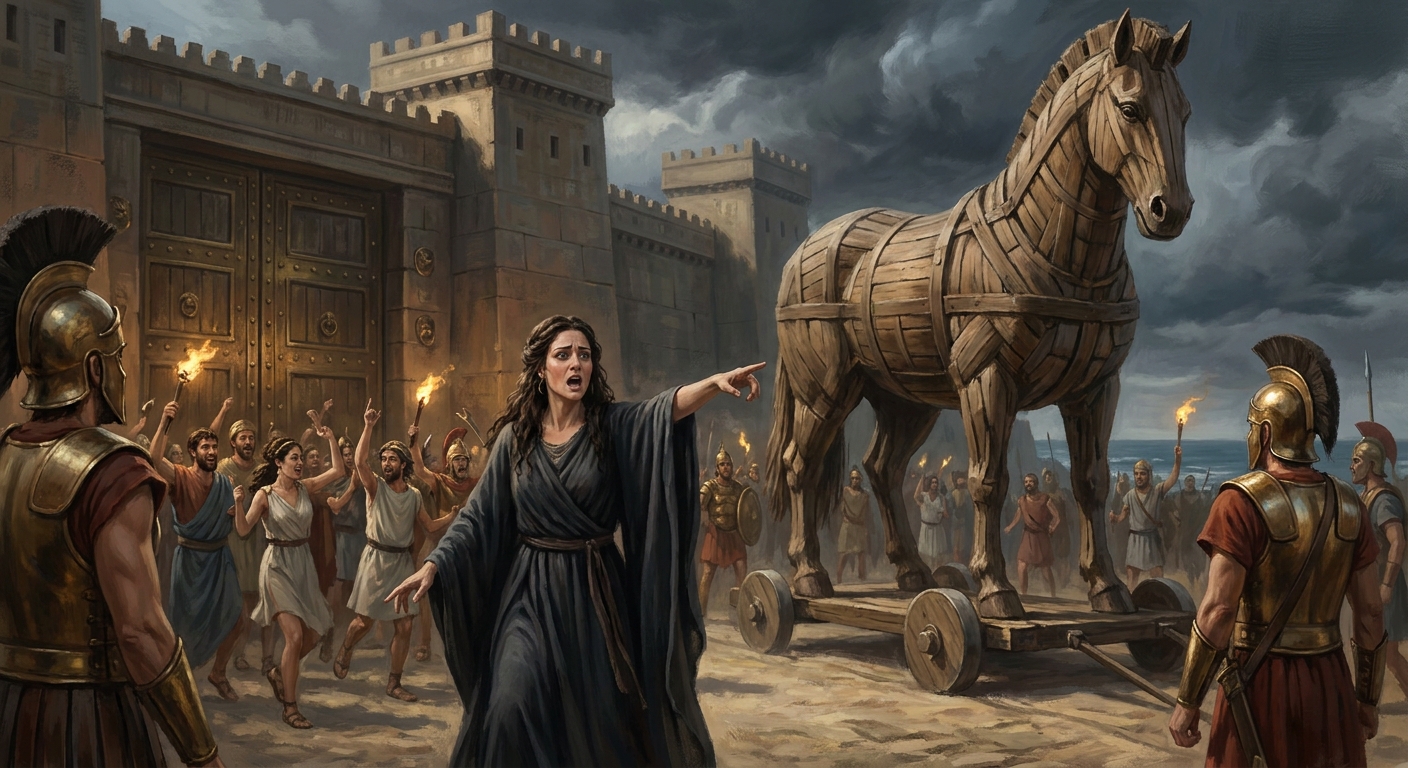
So her life becomes a tragic cycle. She foresaw Troy’s fall. She warned about the wooden horse. Her cries fell on deaf ears.
Her gift became a torment, as no one trusted her foresight. Knowing the future did not change its course. It only made her watch the course with her eyes open.

To foresee the future is terrifying. To foresee it and be dismissed is unbearable.
Prometheus
Then there is Prometheus, the titan with a heart for humanity, who dared to imagine a brighter future for mortals. He stole fire from the gods and gave it to humans, sparking civilization’s dawn.
This is not only about literal flames. It is the fire of knowledge and progress. With fire, humans could cook food, forge tools, and heat their homes.
And prophecy, in this tale, feels less like doom and more like ignition. Foresight becomes a hand on the shoulder of the species, turning us toward what we might become.
Zeus, not a fan of this unauthorized gift, sentenced Prometheus to eternal liver-pecking by an eagle.
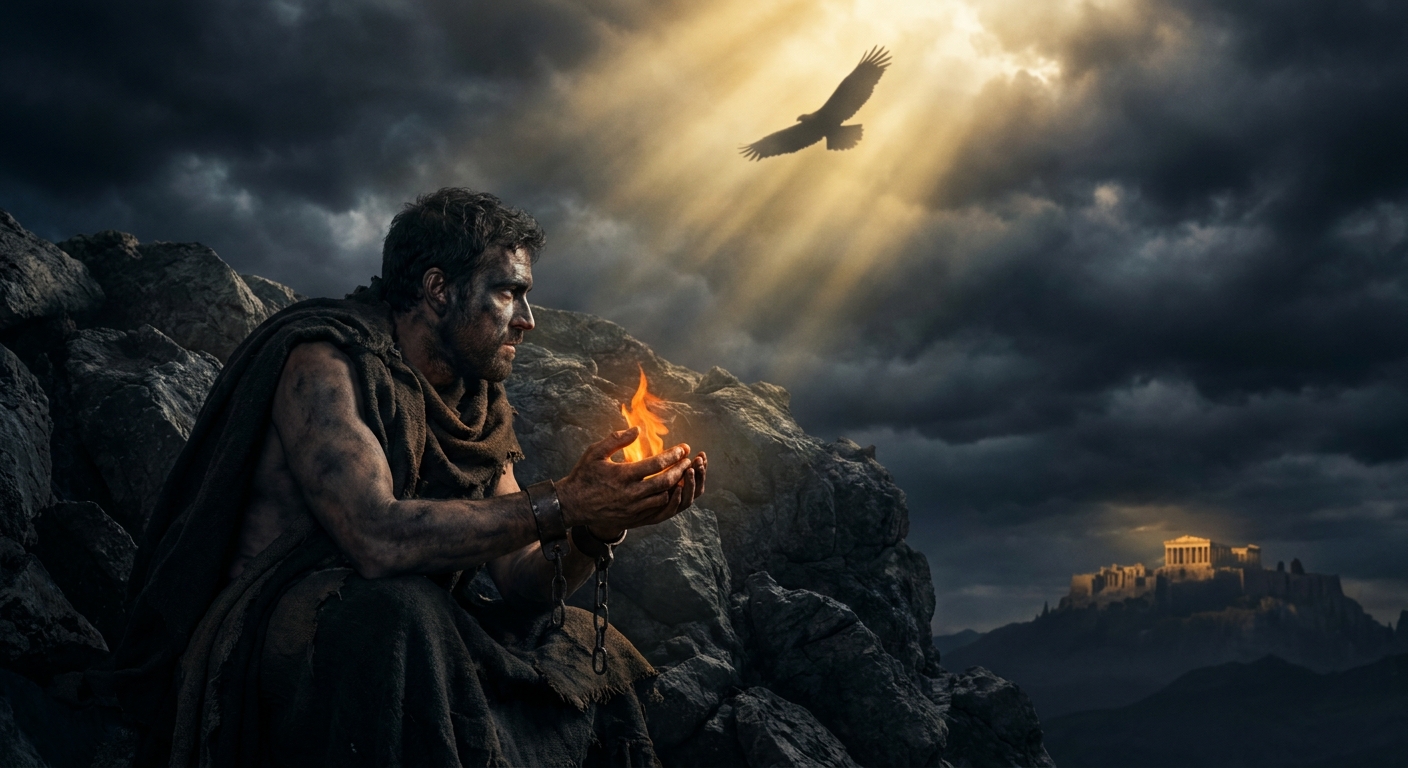
Yet Prometheus’ gift highlights how prophecy can empower, alter destinies, and propel humanity forward. In his flame-gifting foresight, prophecy shows its true potential to illuminate and transform.
The Fates
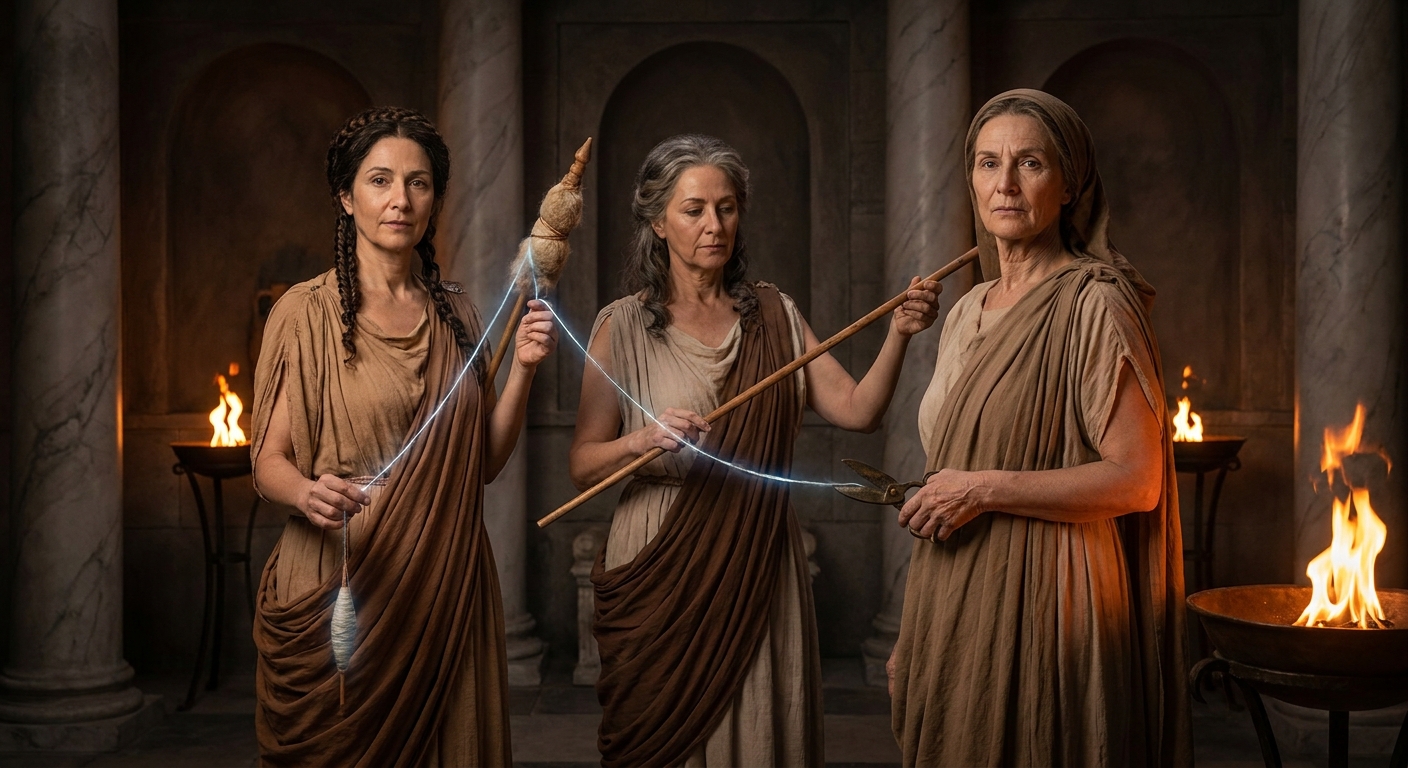
Some prophecies do not arrive as visions at all. They arrive as administration. The Fates, Clotho, Lachesis, and Atropos, are the celestial weavers spinning life’s thread.
- Clotho holds the strings.
- Lachesis measures them.
- Atropos snips them away.
They do not merely decide human fates. They have Zeus himself dancing to their tune. While Zeus might claim to be king of gods, the Fates hold ultimate prophetic authority.
They do not whisper prophecies. They declare them outright. Even Zeus cannot change their decisions, a reminder that not all divine power needs to shout from the heavens. Sometimes it is the gentle click of scissors, the soft weaving of a life that cannot argue its way free.
The Furies
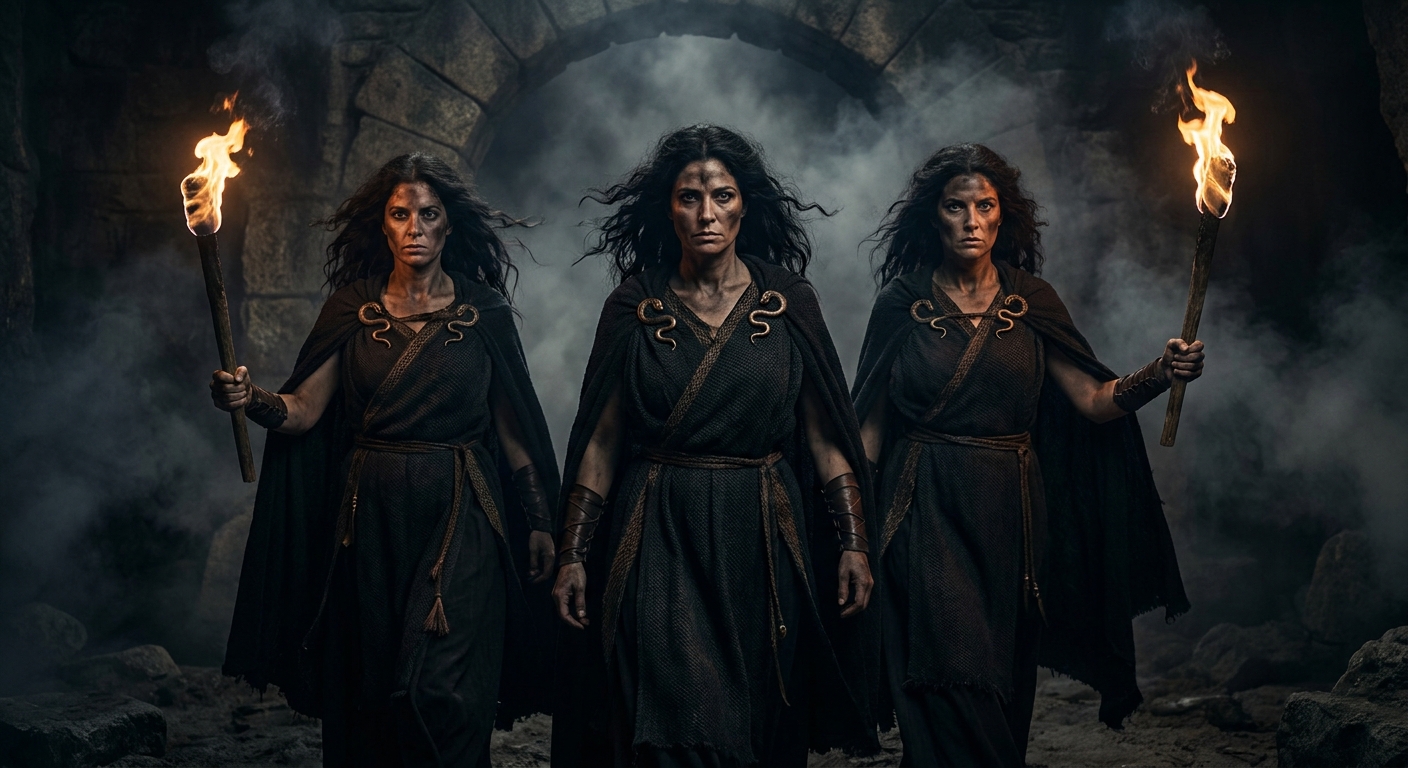
Prophetic power is not always foreseeing. Sometimes it is exposing. The Furies, Tisiphone, Megaera, and Alecto, are relentless enforcers of celestial order, roaming the underworld and doling out punishment to wrongdoers.
They scour Earth for any hint of evil or injustice, tireless in their commitment to retribution. Their prophecies unfold silently, ushering wrongdoers toward an inevitable comeuppance.
This trio shows prophecy’s grittier face. Not a bright announcement from a temple step, but a slow, inescapable reveal of what was hidden. Justice, in their hands, is not theatrical. It is patient.
Medusa
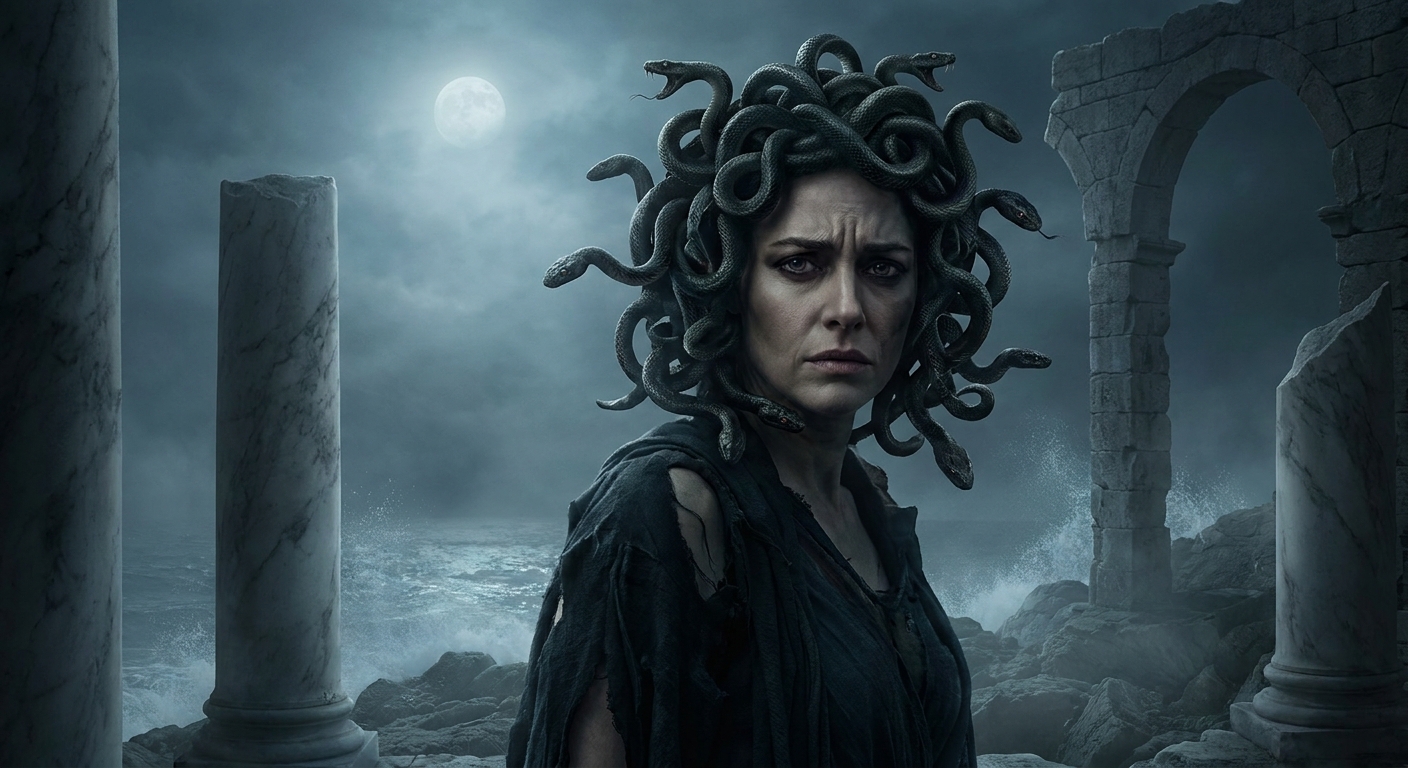
And then there is Medusa, a tale that intertwines beauty, betrayal, and beastly rebirth. Her transformation from celebrated beauty to Gorgon with a lethal gaze becomes its own kind of prophecy, a warning wrapped around a body.
After an unfortunate encounter with Poseidon in Athena’s temple, Medusa was transformed into a figure able to petrify with a mere glance. The embodiment of loveliness became a social pariah, with snakes for hair and an aura of isolation.
Her fate asks who the real monsters are: those who wield power out of fear, or those forced into monstrous roles by unjust judgment?
As her spine-chilling gaze perpetuates through the ages, Medusa stands not just as a figure of petrifying strength, but as a timeless reminder to look twice at the stories that label someone cursed.
What prophecy costs
Set side by side, these myths stop being isolated tragedies and start to look like a map.
Cassandra shows how a godly gift can become a curse, and how knowing the future does not always change its course. Prometheus shows how foresight can propel humanity forward, even if it demands a savage penalty. The Fates show that ultimate authority may sit with quiet hands and sharper tools than thunder. The Furies show that prophecy can be the revelation of hidden truths, the slow walk toward consequence. Medusa shows a prophetic transformation, a cautionary shape carved out of injustice.
These stories offer more than entertainment. They hold up a mirror to the human condition, and they ask for empathy and introspection as we face our own thresholds, bargains, punishments, and revelations.