Achilles Myths: Rage, Glory, and the Short Life
Greek Mythology
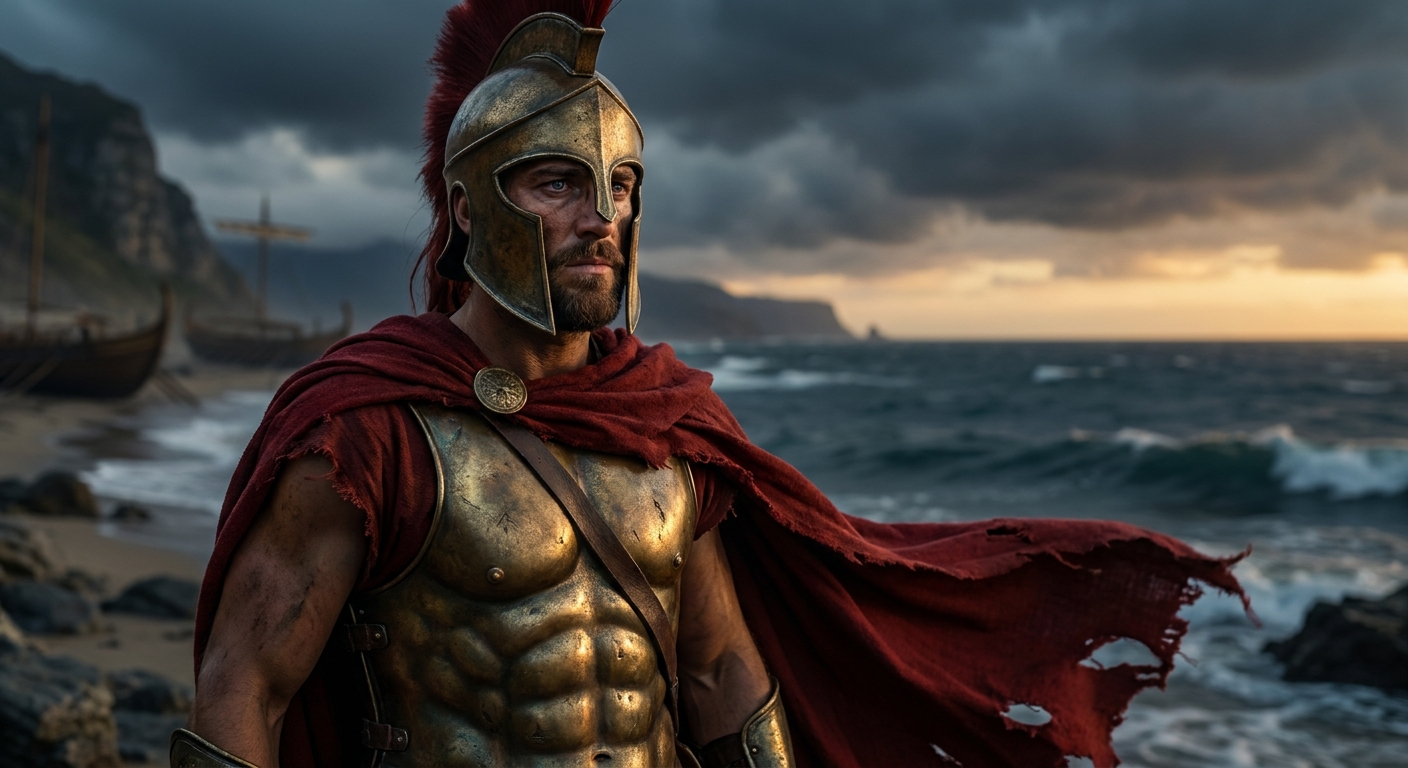
Achilles arrives in Greek myth like a blade catching sunlight. Too bright. Too sharp. Too certain of what he was born to do.
He is the hero who makes glory look gorgeous, then collects its price with interest. Every version of his story, from Homer onward, circles the same violent paradox: the greatest life is the one that ends too soon.

Divine Blood, Mortal Terms
Achilles is born from a mismatch Greek myth adores: a sea goddess and a mortal king, love and limitation bound in a single body.
His mother is Thetis, a Nereid with saltwater in her hair and prophecies following her like foam. His father is Peleus, king of Phthia, human enough to bleed and age and die.
And above them hangs the logic that always wins: fate does not negotiate. Not even with divinity.
Thetis and the problem of keeping a son alive
Later storytellers obsess over Thetis trying to make Achilles harder to kill. In some late sources, she plunges him into the River Styx, gripping him by the heel. In other accounts, she anoints him with ambrosia and places him in a fire by night, trying to burn away what is mortal before the ritual is interrupted.
The details shift because the point stays constant. Greek myth is not interested in whether he is perfectly invulnerable. It is interested in the ache of a mother trying to outwit a universe that has already written the ending.
Chiron’s Training
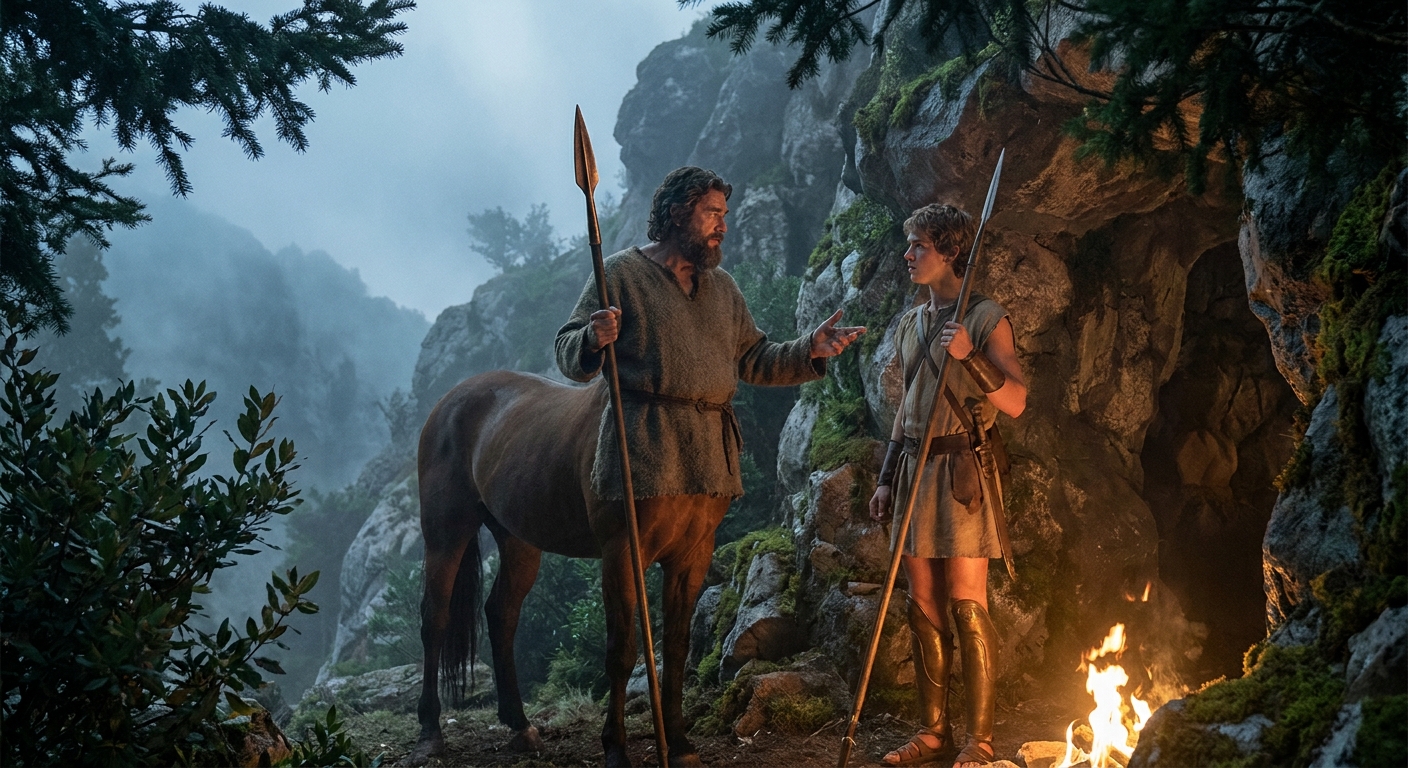
Achilles does not grow up in a gentle house. He is shaped in the wild, under the tutoring of Chiron, the centaur who raises heroes the way mountains raise storms.
Chiron’s cave is a kind of sacred workshop. Here, the boy learns medicine and music and the anatomy of violence. Greek myth loves this dual education: the same hands that can bind a wound can also open one.
Even his name carries a quiet threat. Some ancient and modern etymologies link Achilles to akhos, grief, as if language itself suspected what he would become: a masterpiece made for suffering.
Skyros
Before Troy, there is an attempt at escape. Thetis, desperate and clever, hides her son on Skyros among the daughters of King Lycomedes. Achilles in women’s clothing is one of those scenes that plays like theater and tragedy at once.
But he does not fit the disguise. Not because masculinity is some mythic essence, but because war is already calling him by name.
Odysseus arrives with a trap: gifts laid out like a marketplace of selves, jewelry beside weapons. The story insists Achilles reaches for the spear. The world offers him choices, and he chooses the one that ruins him beautifully.
A mother can hide a son from armies, but not from the story he is meant to become.
On Skyros, Achilles fathers a son, Neoptolemus, with Lycomedes’ daughter Deidamia, a detail that will matter when the war begins devouring the next generation too.
Kleos and Fate
If you want to understand Achilles, you have to understand the Greek obsession with kleos. It is often translated as “glory,” but it is closer to “the song people will still be singing after you are ash.”
In Homer’s Iliad, Achilles is offered a brutal bargain: a long, quiet life with no great name, or a short life that becomes immortal in memory. The myth does not pretend this is healthy. It frames it as the gravitational law of heroic culture.
The Iliad: Wrath
Homer opens the Iliad with a word that tastes like iron: mēnis, wrath. Not ordinary anger, but a divine-grade rage that contaminates everything around it.
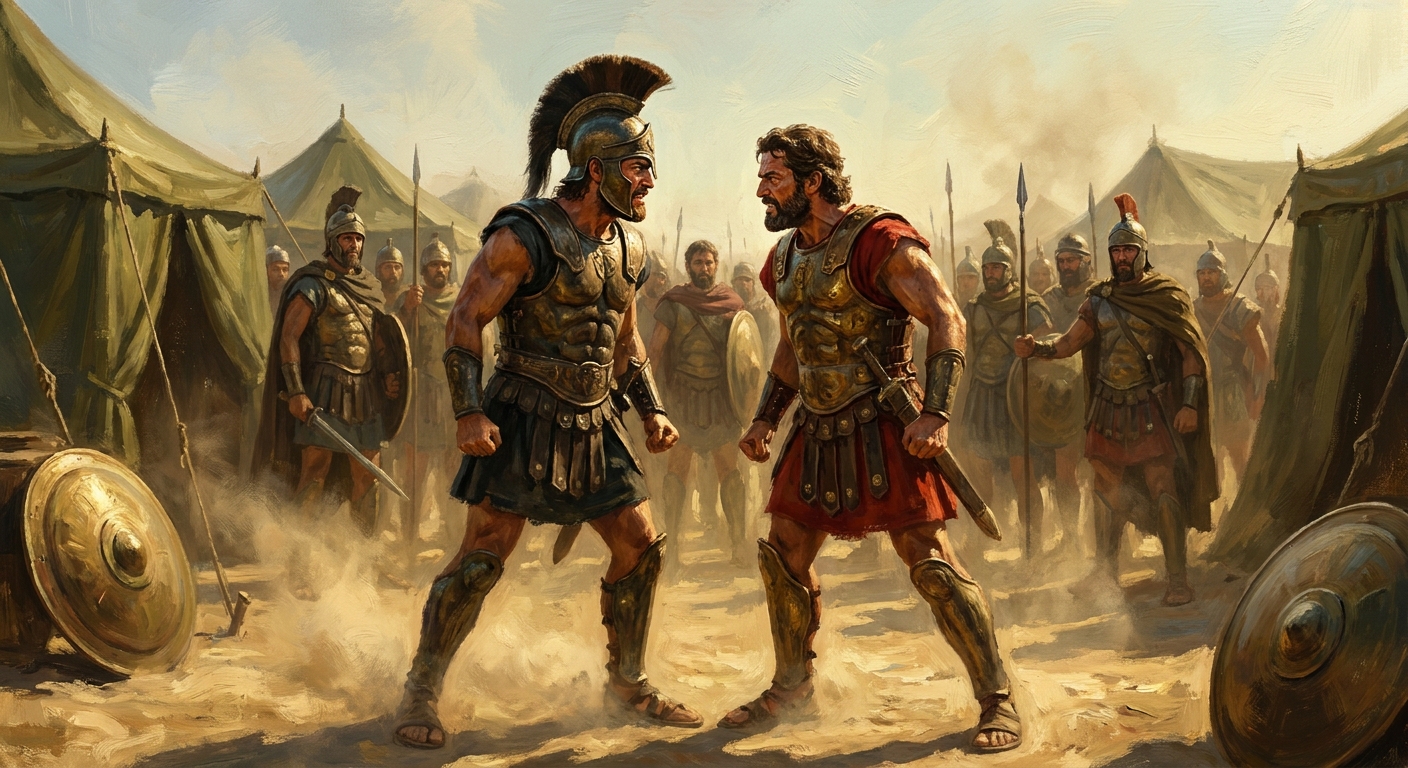
Achilles’ wrath ignites when Agamemnon, commander of the Greek forces, seizes Briseis, the war prize allotted to Achilles. It is not only a personal insult. In the heroic economy, it is a public stripping of honor.
So Achilles withdraws. The best fighter refuses to fight. And Greek myth, with its talent for turning pride into catastrophe, lets the consequences bloom.
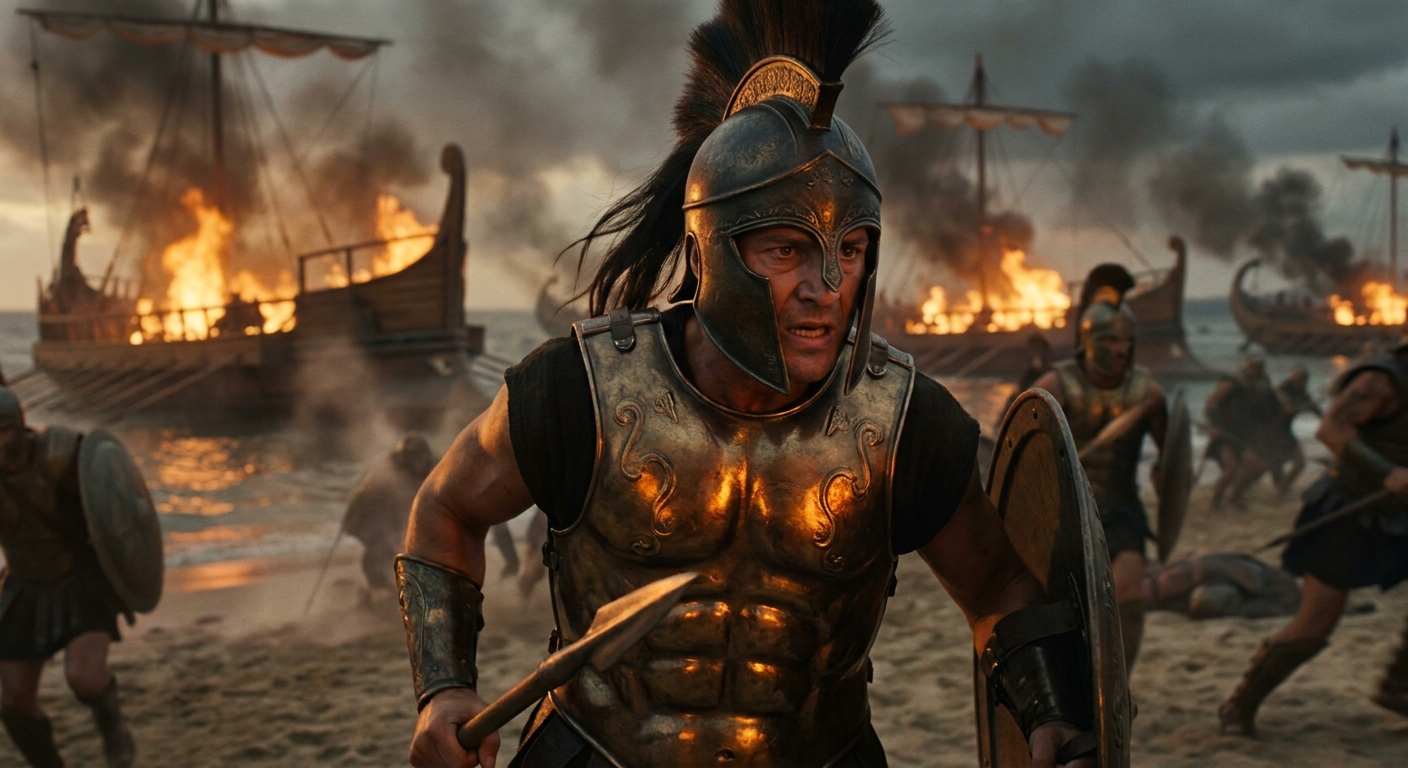
Without Achilles, the Greek lines buckle. Hector drives the Trojans forward. Ships burn. The beach becomes a corridor of smoke and screaming.
Patroclus
Then comes the most devastating pivot in the Achilles cycle: Patroclus. Friend. Companion. The one person who can speak to Achilles when pride has sealed his ears.
The nature of their bond has been read in many ways, ancient and modern. Homer presents an intimacy that is unmistakable, whether you name it comradeship, devotion, love, or all of the above. What matters mythically is simpler and crueler: Patroclus is the human doorway into Achilles’ heart.
When the Greeks are desperate, Patroclus begs Achilles to relent. Achilles refuses to fight, but he agrees to lend Patroclus his armor, a decision that feels generous until you remember how myths treat borrowed identities.
The armor does not turn Patroclus into Achilles. It only makes him look like a prize worth killing.
Patroclus fights brilliantly, pushing the Trojans back. But the gods and fate tighten the net. In Homer’s telling, Apollo strikes him from behind, stunning him and stripping away his advantage. Euphorbus wounds him. Then Hector delivers the killing blow and claims the armor.
When news reaches Achilles, the poem becomes something like a funeral drum. His rage changes temperature. It stops being political. It becomes cosmic.
The Return
Achilles’ grief is not quiet. He howls. He throws dust over his head. He collapses into the shoreline like a man trying to drown inside daylight.
Thetis rises from the sea to find her son broken open. She knows what his return means. If Achilles goes back into battle, his death follows. The myth insists on this clarity. There is no brave uncertainty here, only a deliberate step into the ending.
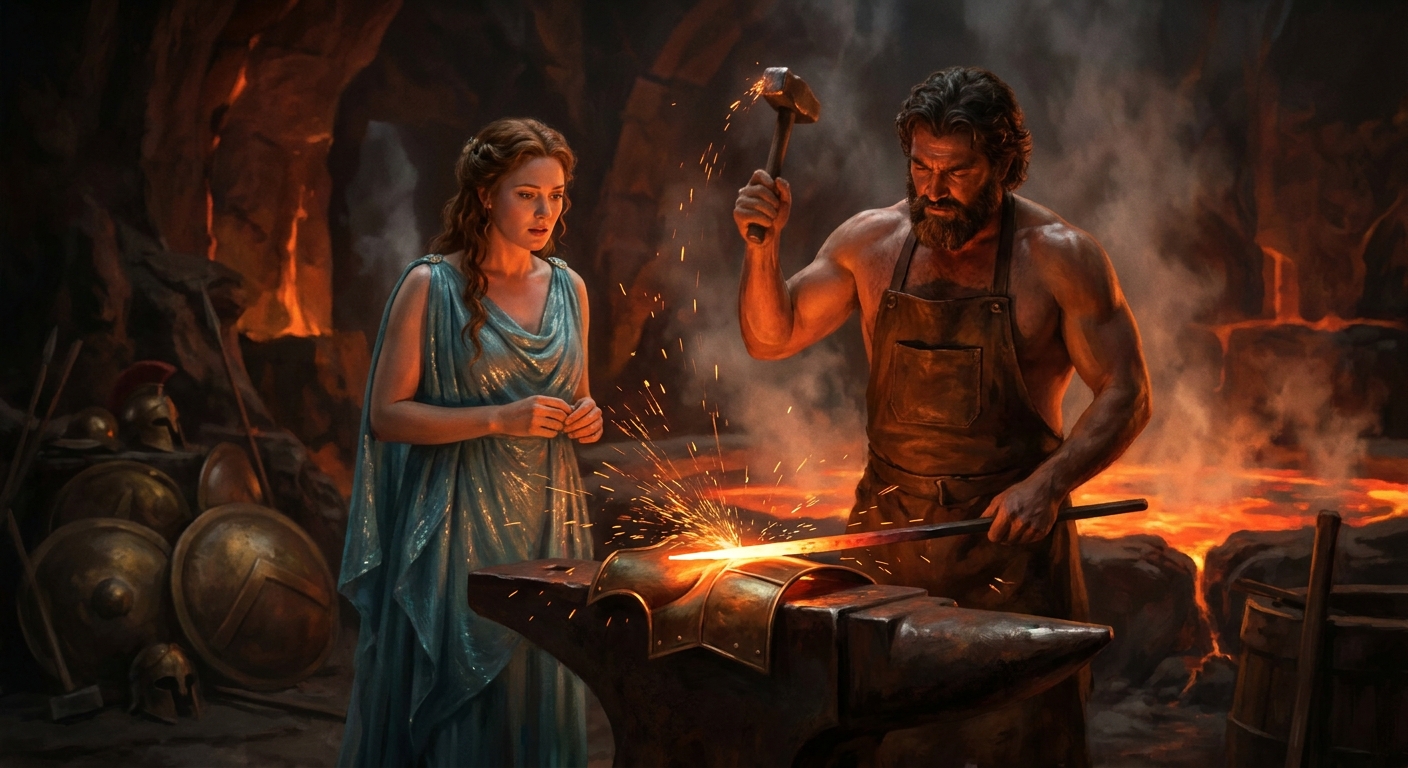
Since Hector has taken Achilles’ armor, Thetis seeks new armor from Hephaestus, the smith-god of divine craft. The making of the shield is one of myth’s most haunting images: war answered with art, brutality framed by beauty.
Hector’s Death
Achilles returns like a storm with a human face. He drives the Trojans back to their walls, and in Homer the river Scamander itself rises against him as the killing becomes too much. The scale feels abnormal, as if wrath has turned him into a force rather than a man.
Hector, Troy’s protector, faces him outside the gates. The duel is framed as inevitable, but it still hurts to watch, because Hector is not a villain. He is a husband, a son, a city’s last good shield.
Achilles kills Hector. Then he does something that has echoed through every retelling since: he dishonors the body, dragging it behind his chariot. Greek culture prized proper burial. To deny it was to strike at the soul’s dignity.
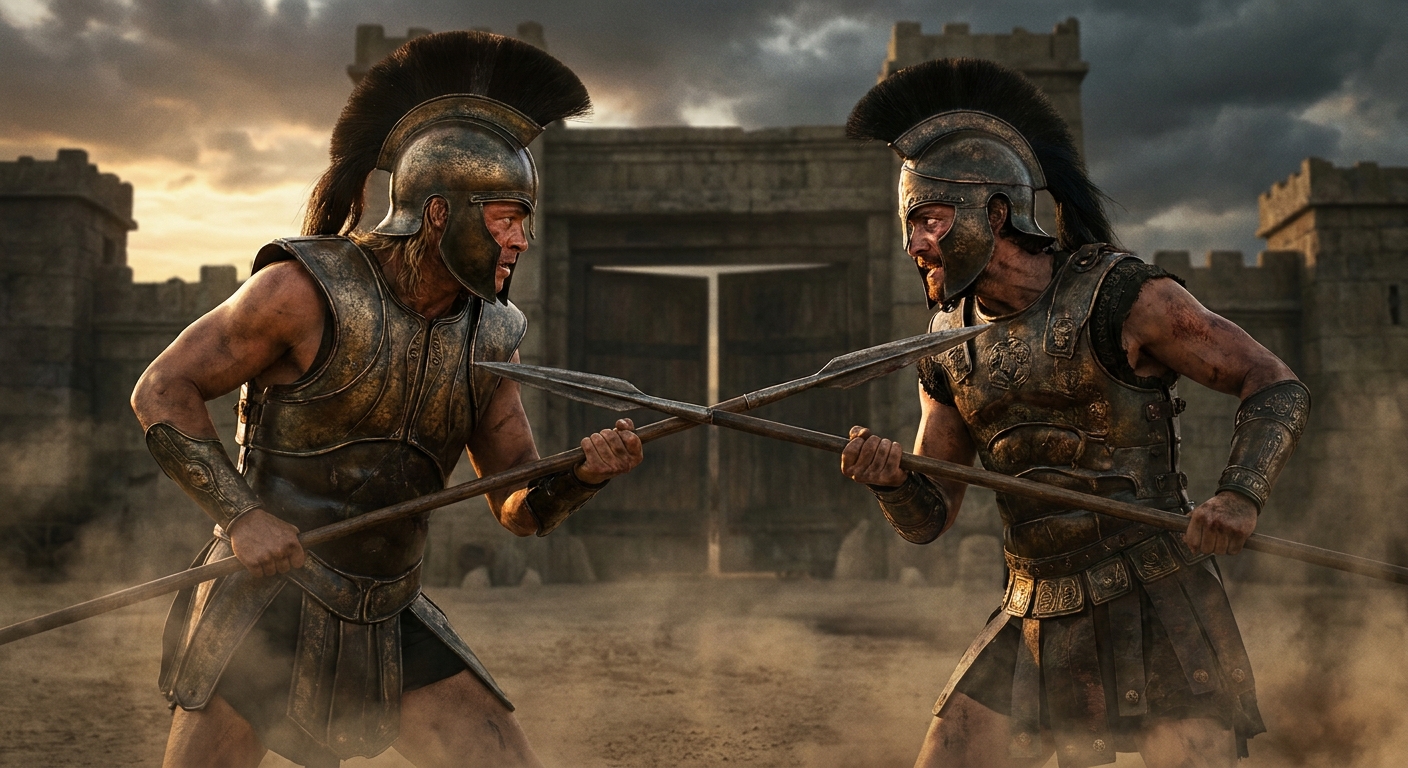
The myth does not excuse Achilles, but it explains him. This is grief turned feral, mourning that cannot accept the mathematics of loss.
And then, in one of the Iliad’s most human scenes, Priam, Hector’s father, comes to Achilles’ tent to beg for his son’s body. He kisses the hands that killed Hector. He asks Achilles to remember his own father.
In the hush of the enemy’s tent, the greatest warrior remembers he is also someone’s child.
Achilles relents. The body is returned. For a moment, wrath loosens its grip, and the poem allows a fragile truce made of shared mortality.
Achilles’ Death
Homer’s Iliad ends with Hector’s funeral, not Achilles’ death. But the larger mythic cycle refuses to leave him standing.
In later epic traditions and mythographic summaries, Achilles is killed near Troy by an arrow shot by Paris, often with Apollo guiding the aim. Paris is not the battlefield titan Achilles is, and that is part of the point. The greatest warrior does not fall to a greater warrior. He falls to a combination of divine intervention and a man famous for choosing beauty over wisdom.
The famous “Achilles’ heel” is not emphasized in Homer, but it grows into cultural bone: the image of a nearly invincible life undone by a single vulnerable place. Myth loves a symbolic seam.
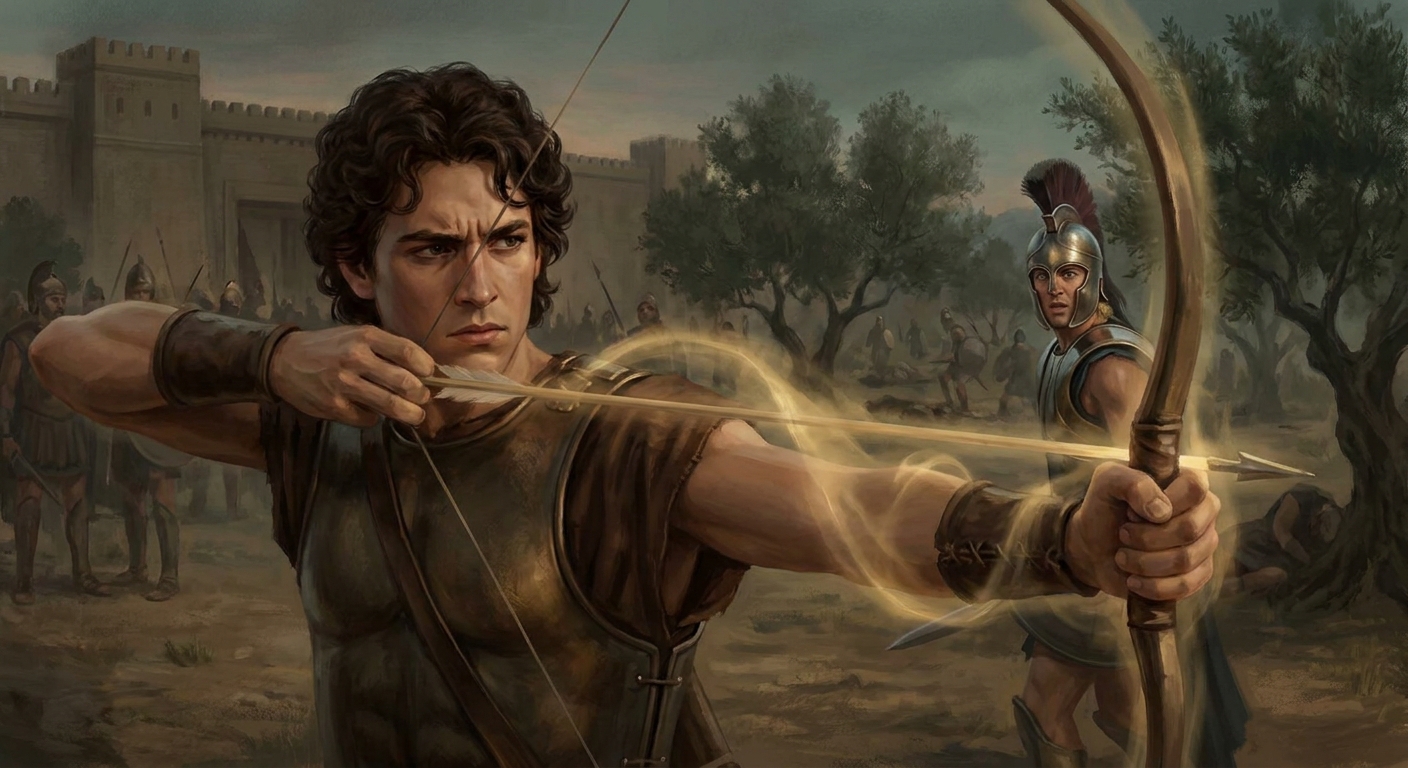
Achilles dies young. Thetis mourns. The sea mourns. And the Greeks, who built a whole identity around heroic excellence, do what they always do with unbearable endings: they turn them into ritual.
Funeral Games
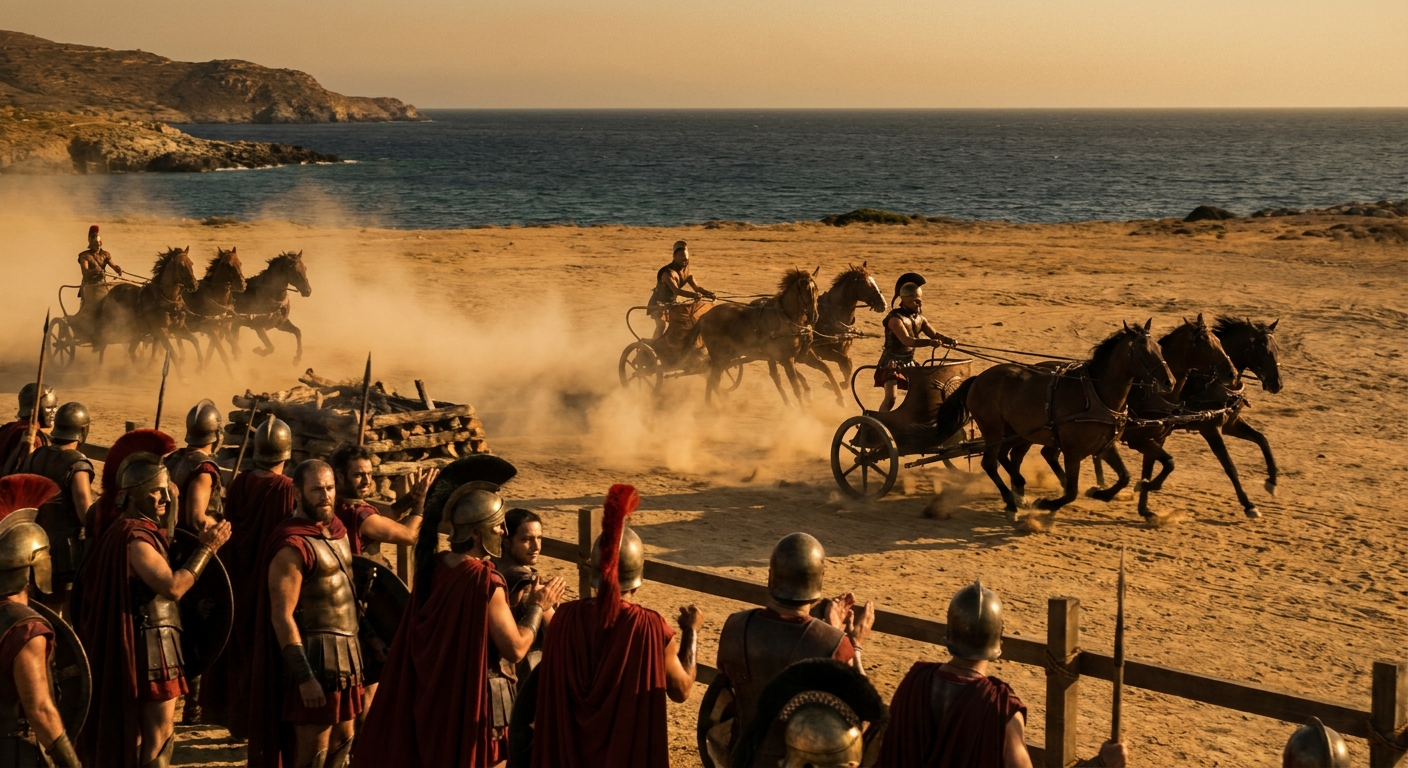
After Patroclus’ death, Achilles holds funeral games in his honor, lavish contests of chariot racing, boxing, wrestling, and archery. These games are not a sports episode tucked into an epic for fun. They are how Greek myth tries to make grief legible.
The games do something psychologically sharp: they convert loss into structure, rage into rules. For a few hours, violence is contained by prizes and oaths and witnesses.
Later tradition also gives Achilles his own funeral honors, sometimes with a tomb and cult worship at places like the Hellespont. Even dead, Achilles continues to be a point of magnetic devotion, the hero as a shrine.
Why He Endures
Greek myth produced many great fighters, but Achilles is different. Not because he is strong, but because his story makes the culture’s secret desires and terrors visible at the same time.
- He embodies kleos: the choice of a life that becomes a song, even if it becomes a grave.
- He exposes the cost of honor: insult becomes catastrophe because status is treated like oxygen.
- He makes grief the engine of violence: Patroclus’ death is not a plot point, it is the rupture that reorganizes the world.
- He is both more than human and painfully human: a near-invincible body with a heart that cannot survive what it loves.
- He proves fate is not a moral lesson: it is a structure. You can glare at it, bargain with it, even sing against it, but you cannot break it.
And when Achilles falls, the war keeps chewing. Neoptolemus, the son conceived in hiding, is pulled into the blaze to help finish what his father began, as if the story itself demands an inheritance of bronze and smoke.
Achilles endures because he is not a role model. He is a mirror polished with blood and seawater, reflecting what humans do when offered two unbearable options and told to choose.
And he chooses, every time, the short life that will not stop speaking.