What Is the Filibuster and How Does It Work?
Greek Mythology
In Greek myth, the gods rarely destroyed their rivals in one clean strike. They delayed. They distracted. They turned the battlefield into a long, exhausting test of patience until someone finally blinked.
The U.S. Senate filibuster is not divine, but it has a similar feel: a procedural power that turns time into a weapon. If you have ever wondered how a bill can have majority support and still stall out like a ship caught in a windless sea, you are looking at the filibuster’s wake.

What the filibuster is
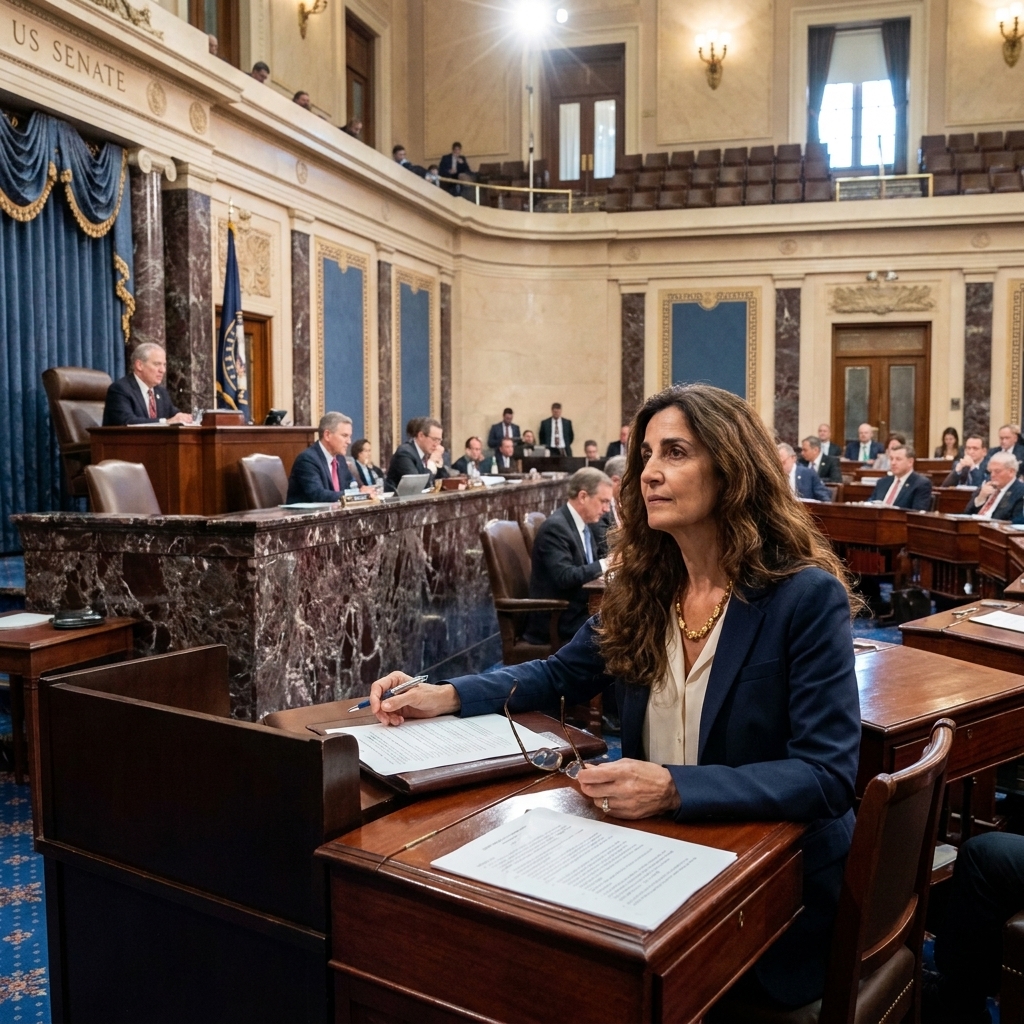
A filibuster is a Senate tactic used to delay or block a vote on a bill, nomination, or other matter by extending debate or signaling that debate will not end.
In plain terms, it lets a minority of senators prevent the Senate from moving to a final vote unless the majority can meet a higher threshold to close debate. In practice, filibusters can also target earlier steps, like the motion to proceed, not just final passage.
Not a single rule, but a result
People often talk about “the filibuster” as if it is one sentence in the rulebook. It is more accurate to say it is a consequence of the Senate’s debate rules and culture, especially the Senate’s tradition of allowing extended debate unless the chamber votes to stop it.
One important caveat: the filibuster is not in the Constitution. It emerged over time as Senate rules evolved and as the chamber grew comfortable with the idea that debate could continue unless a supermajority agreed to end it.
How it works today
The cinematic version is a senator standing for hours, hoarse and heroic, reading from phone books. That can happen, but it is not the usual method anymore.
Today, many filibusters function as a threat: if enough senators indicate they will not allow debate to end, the majority leader often will not bring the matter to a final vote unless they are confident they can overcome the filibuster.
You will often hear this described as a silent or virtual filibuster. Those are informal terms, not official Senate labels, but they capture the modern reality: the power is often in the credible promise of delay, not the talking itself.
Consent and floor time
Much of the Senate’s daily scheduling relies on unanimous consent, meaning no senator objects. When consent collapses, the Senate must follow the slow, formal steps, and that is where the filibuster gains leverage.
- With cooperation, the Senate can move faster and vote sooner.
- With resistance, debate and procedural steps can stretch out, sometimes for days.
Cloture: ending debate
The main tool to stop a filibuster is cloture, which is a Senate procedure to limit debate and move toward a final vote.
For most legislation, invoking cloture requires three-fifths of senators duly chosen and sworn, which is typically 60 votes. If there are vacancies, the exact number can shift.
What happens after cloture is filed
At a high level, the sequence looks like this:
- A filibuster is threatened or underway, meaning the Senate cannot get to a final vote under normal debate conditions.
- The majority files a cloture motion to end debate.
- The Senate votes on cloture, usually after an intervening day, unless the timing is changed by unanimous consent.
- If cloture passes, debate becomes limited. How much time remains depends on what is being considered. Legislation and nominations can have different post-cloture time limits under current rules and precedents.
- The Senate proceeds toward a final vote after the remaining debate time and required steps are used or yielded back.
If cloture fails, the measure usually stalls unless the majority changes strategy, negotiates a deal, or pulls the item.
Do senators still talk for hours?
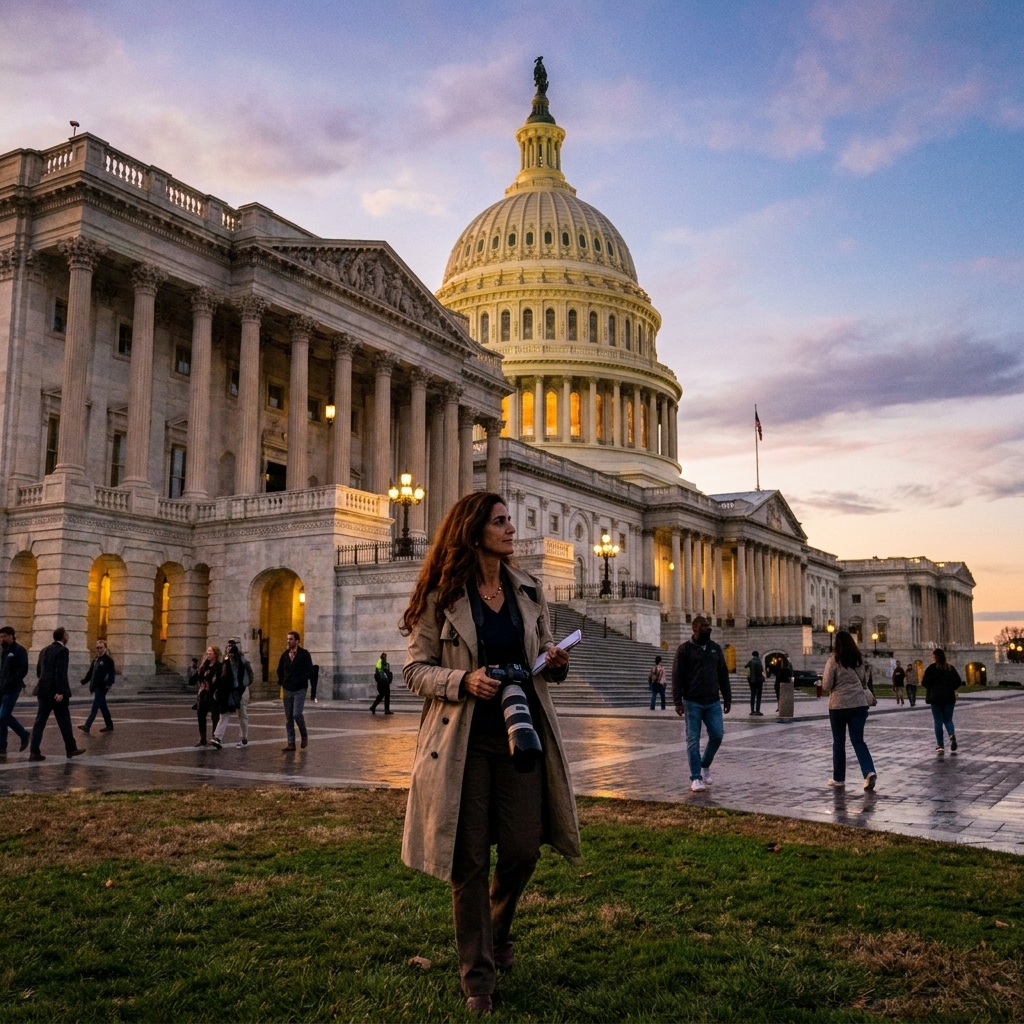
Sometimes. But the most common modern form is the informal “silent” or “virtual” filibuster, where the mere promise of extended debate forces the majority to seek cloture.
That said, talking filibusters still happen and they are memorable precisely because they are rare. They are political theater with real procedural stakes, the kind of performance that makes the Senate feel like a stage lit by hot lamps and hotter ambition.
What can be filibustered?
In general, many Senate matters can be delayed by extended debate, including most bills. But the filibuster’s reach depends on the type of business and the rules that apply.
Where fights show up
- Major legislation where the majority does not have 60 votes.
- Contentious policy areas where compromise is hard and time is the pressure point.
- Messaging battles where a minority wants to force negotiations or shape public attention.
Limits and where it does not apply
- Budget reconciliation bills have limited debate and cannot be filibustered in the usual way.
- Many nominations now face a simple-majority cloture threshold, so the classic nomination filibuster is effectively gone, even though time and procedure can still slow confirmations.
- Some matters under special statutes come with built-in debate limits.
- The House does not have an equivalent filibuster, because its rules tightly control debate.
Exceptions and workarounds
The Senate has carved out paths around the 60-vote reality in specific situations. These are not loopholes so much as alternative rule sets, each with its own political price.
Budget reconciliation
Reconciliation is a budget-related process that allows certain tax and spending measures to pass with a simple majority and limits debate time. It is powerful, but it is also constrained by strict rules about what qualifies as budgetary, including the Byrd Rule, and it is typically available only a limited number of times per budget cycle.
Nominations
Over time, the Senate reduced the cloture threshold for many nominations to a simple majority through precedents and rule interpretations. Since 2013, most executive branch and lower-court judicial nominations have been subject to majority cloture, and since 2017 that has also been true for Supreme Court nominations. The upshot is that the filibuster is far less potent for confirmations than it once was, even though post-cloture time and other steps can still cause delays.
The nuclear option
The nuclear option is a procedural move where the Senate, by majority vote, effectively changes how certain rules are interpreted, including the cloture threshold for particular categories of business. It is controversial because it shifts the Senate away from its supermajority traditions and escalates retaliation risk.
Why it exists
The Senate is structured and culturally inclined to be more deliberative than the House. The filibuster grew out of that culture and from rule changes over time, eventually becoming a tool that lets the minority demand extended debate or force a higher vote threshold before the Senate can act.
A quick historical note helps explain the modern version: the Senate adopted cloture in 1917 as a formal way to cut off debate. Later, changes in the 1970s helped normalize a more routine, threat-based filibuster by making it easier for the Senate to keep other business moving while a contested item stayed stuck.
Supporters argue it:
- Protects minority rights and encourages compromise.
- Prevents rapid swings in national policy.
- Forces broader consensus for major changes.
Critics argue it:
- Enables obstruction even when a majority supports action.
- Raises the effective threshold for passing laws.
- Shifts power toward procedural tactics rather than public debate.
What it means in real life
If you want the filibuster’s practical definition, here it is: it often means the Senate is not a simple majority body for legislation. In many cases, it is a 60-vote institution.
That single fact shapes what gets written into bills, what gets left out, and what never even reaches the floor. The filibuster does not just slow the Senate down. It changes the kinds of coalitions required to govern, and it changes which promises survive contact with reality.
The filibuster is time, turned political. It is the Senate admitting, with a straight face, that delay can be a form of power.
Quick glossary
- Filibuster: A tactic to delay or block Senate action by preventing debate from ending.
- Cloture: The procedure to end debate and move toward a final vote, usually requiring three-fifths of senators duly chosen and sworn for legislation, typically 60.
- Unanimous consent: Agreements that allow the Senate to move quickly as long as no one objects.
- Reconciliation: A budget process that can allow some legislation to pass with a simple majority under strict rules.
- Nuclear option: A majority vote maneuver that changes how Senate rules are applied, often tied to cloture thresholds.