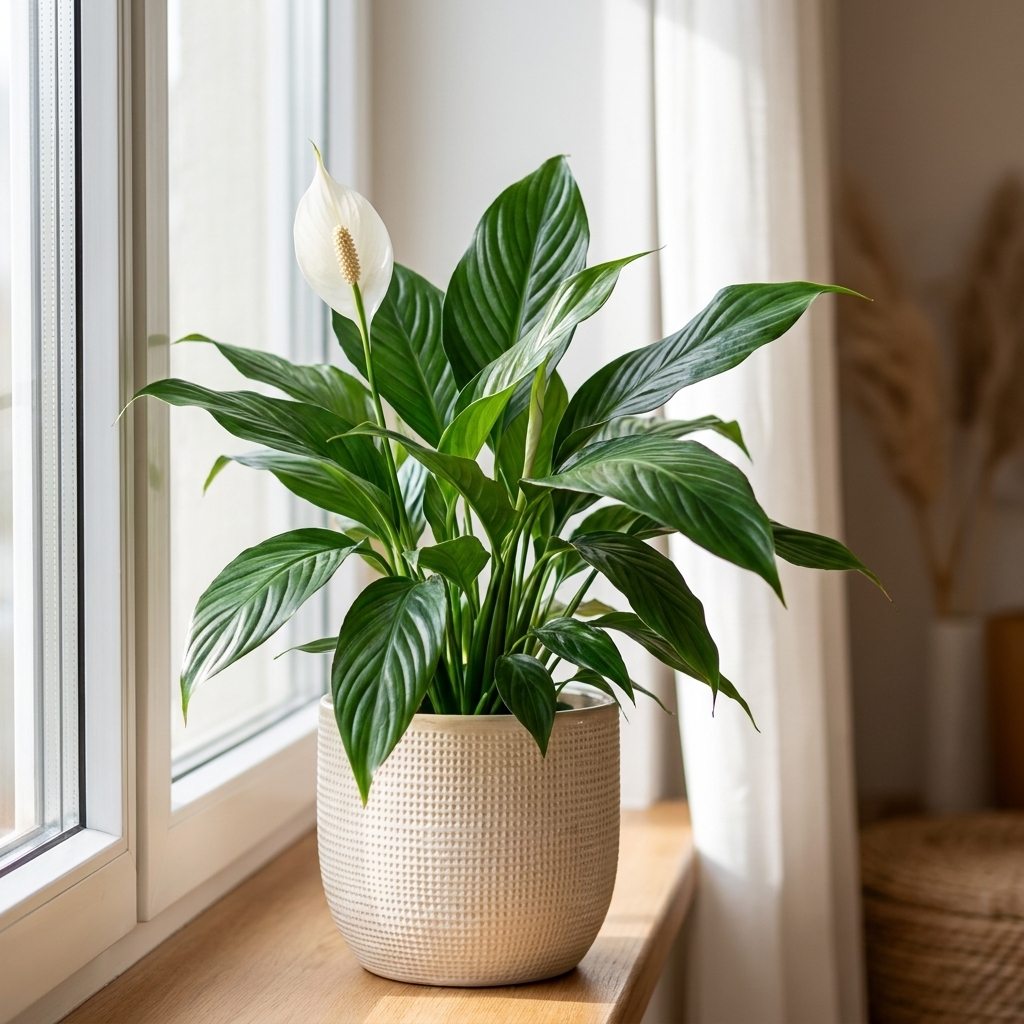
Peace Lily Care and Troubleshooting
Greek Mythology
There are houseplants that behave like polite roommates, and then there is the peace lily, Spathiphyllum, the dramatic oracle of your windowsill. It droops with theatrical precision when it is thirsty, perks up as if nothing happened, and then quietly judges your humidity levels for the rest of the week.
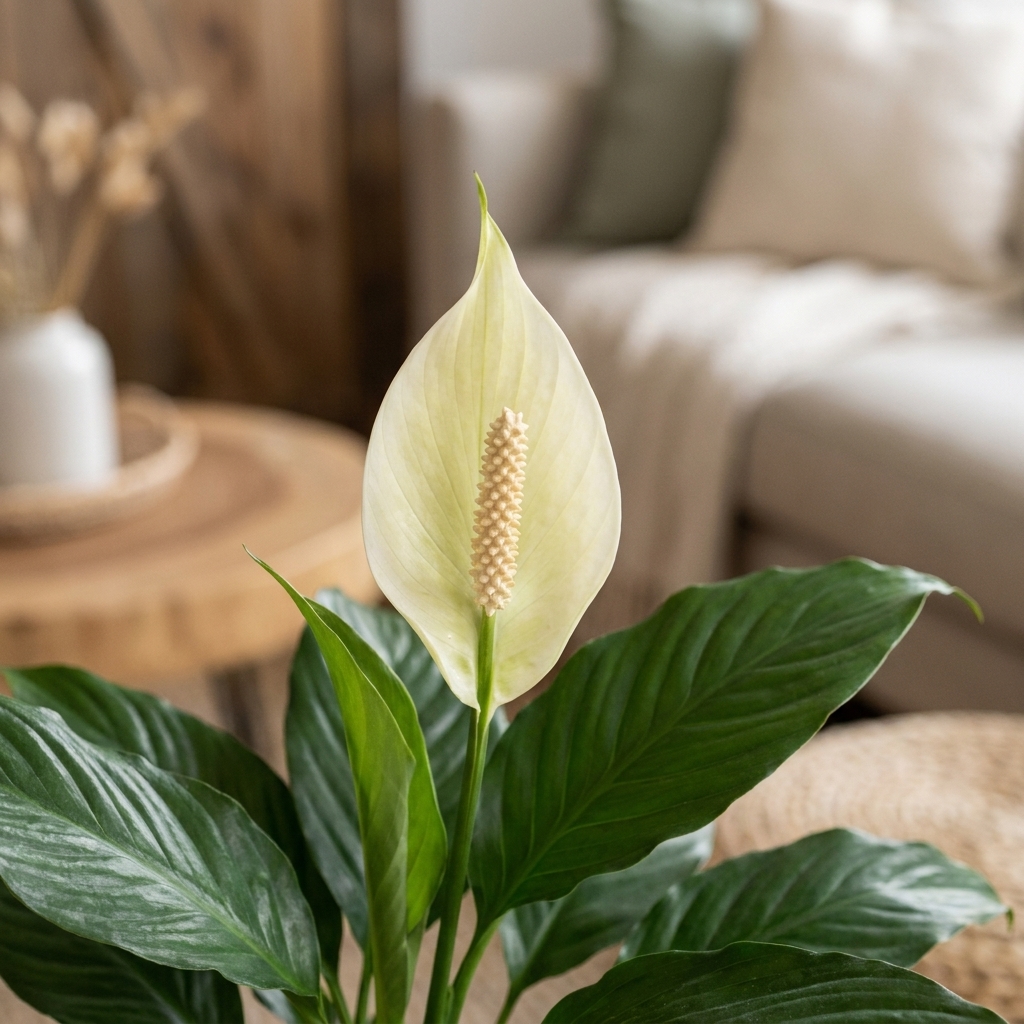
Despite the name, the peace lily is not a true lily. It is a tropical aroid, built for the dappled understory of Central and South American forests. When you give it conditions that feel like filtered canopy light and warm, slightly humid air, it rewards you with glossy leaves and those creamy white “flowers” that are not flowers at all, but a spathe wrapped around a spadix, like a pale torch in a green temple.

Peace lily basics
Light
Best: bright, indirect light. Think “sunlight filtered through a veil.” Too little light keeps it alive but stingy with blooms. Too much direct sun scorches leaves and turns your elegant spathes into crispy gossip.
- Low light: slow growth, fewer or no blooms, leggier leaves.
- Direct sun: bleached patches, brown scorch marks, faster drying soil.
Water
Peace lilies like evenly moist soil, not swampy soil. Water when the top 1 to 2 inches feel dry, or when the leaves begin a mild droop. If it collapses like a tragic hero, you waited too long. It will usually recover, but repeated drought cycles stress roots and invite brown tips.
- How to water: water thoroughly until it drains, then empty the saucer.
- Seasonal rhythm: more in spring and summer, less in winter.
Soil and pot
A loose, well-draining mix is the sweet spot. Peace lilies are aroids and appreciate air around their roots.
- Good mix: quality potting soil plus perlite or pumice (and optional orchid bark) for airflow.
- Pot: drainage holes are non-negotiable.
Temperature and humidity
Keep it warm and away from drafts. Ideal household temps are fine, but cold windows in winter can turn leaf edges brown overnight.
- Temperature: aim for 65 to 80°F (18 to 27°C).
- Humidity: average home humidity works, but higher humidity reduces brown tips and helps flowering.
Fertilizer
Feed lightly. Too much fertilizer causes leaf tip burn and salt buildup. During spring and summer, a balanced liquid fertilizer at quarter to half strength every 4 to 6 weeks is plenty. Skip or reduce feeding in winter.
Toxicity note
Peace lilies contain calcium oxalate crystals and are toxic if chewed by pets and humans. Keep out of reach of curious cats, dogs, and toddlers who believe everything is an offering.
How to get peace lilies to bloom
When a peace lily refuses to bloom, it is usually not being mysterious. It is being practical.
- Increase light: move closer to a bright window, but keep sun off the leaves. North or east exposure often works well, or several feet back from a south or west window.
- Be patient after repotting: they can pause blooming while reestablishing roots.
- Feed modestly: small, consistent feeding in the growing season can help.
- Choose maturity: young divisions may take time. Many store-bought plants bloom due to greenhouse conditions, then rest at home.
Troubleshooting common problems
Drooping leaves
Droop is the peace lily’s most fluent language. The trick is knowing which dialect you are hearing.
- If soil is dry: water thoroughly. For severely dried-out pots, water, wait 10 minutes, then water again to rehydrate evenly.
- If soil is wet and it still droops: suspect root stress from overwatering, poor drainage, or compacted soil. Let the top few inches dry and check that the pot drains freely.
- If it droops in hot afternoon light: it may be heat stress. Move it out of direct sun and away from heaters.
Yellow leaves
One older leaf yellowing occasionally is normal. Several yellowing leaves at once means conditions are off.
- Most common cause: overwatering or soil staying wet too long.
- Also possible: low light, cold drafts, or a rootbound plant that dries unevenly.
What to do: confirm drainage, adjust watering to “moist, not wet,” and move to brighter indirect light. If the pot is packed with roots, repot one size up with fresh, airy mix.
Brown tips
Brown tips are the plant’s way of saying the air is dry, the water is harsh, or the fertilizer is heavy-handed.
- Low humidity: especially in winter heating season.
- Minerals in water: chlorine, fluoride, or hard water can contribute.
- Excess fertilizer: salt buildup burns tips.
What to do: use filtered or distilled water if your tap water is hard, flush the pot with clean water monthly, and reduce fertilizer. For humidity, cluster plants, use a humidifier, or place the pot on a pebble tray with water kept below the pot base.
Brown patches or scorched spots
Large crispy areas often mean sunburn. Peace lilies can tolerate low light, but they do not tolerate direct sun like a sun-loving succulent.
What to do: move it to bright indirect light. Damaged areas will not turn green again, but new growth will be healthier.
Leaves curling
- Underwatering: dry soil and curled leaves often travel together.
- Heat or draft: vents, heaters, and cold window drafts can cause curl and edge browning.
- Pests: check undersides for mites or thrips if curling is accompanied by stippling or silvery scarring.
Green flowers or flowers turning green
Peace lily spathes naturally age from white to green. It can also happen if the plant is in lower light. The green spathe is not a failure. It is the plant moving from romance to practicality.
Mold on soil
White fuzzy mold on the soil surface usually means the top layer is staying damp and airflow is low.
- Remove the top inch of soil and replace with fresh mix.
- Let the top layer dry slightly between waterings.
- Increase airflow and light levels gently.
Pests you might see
Even the most “easy” houseplant can attract unwanted guests, especially when watering habits drift into excess.
Fungus gnats
Little black flies hovering near soil usually mean the mix is staying wet. The larvae live in damp soil and feed on organic matter and sometimes fine roots.
- Fix the cause: let the top 2 inches dry before watering again.
- Reduce larvae: use yellow sticky traps for adults and consider BTI (mosquito bits) in water to target larvae.
- Long term: repot into a chunkier, better-draining mix if the soil is peat-heavy and compacted.
Spider mites
Look for fine webbing and tiny pale speckles on leaves, especially in dry indoor air.
- Rinse leaves in the shower or sink.
- Wipe undersides with insecticidal soap or horticultural oil, repeating weekly for a few rounds.
- Raise humidity slightly to discourage them.
Mealybugs and scale
Mealybugs look like small cottony clusters. Scale looks like raised brown bumps that do not brush off easily.
- Isolate the plant.
- Remove pests with cotton swabs dipped in isopropyl alcohol.
- Follow up with insecticidal soap and repeat because they are persistent.
Repotting and dividing
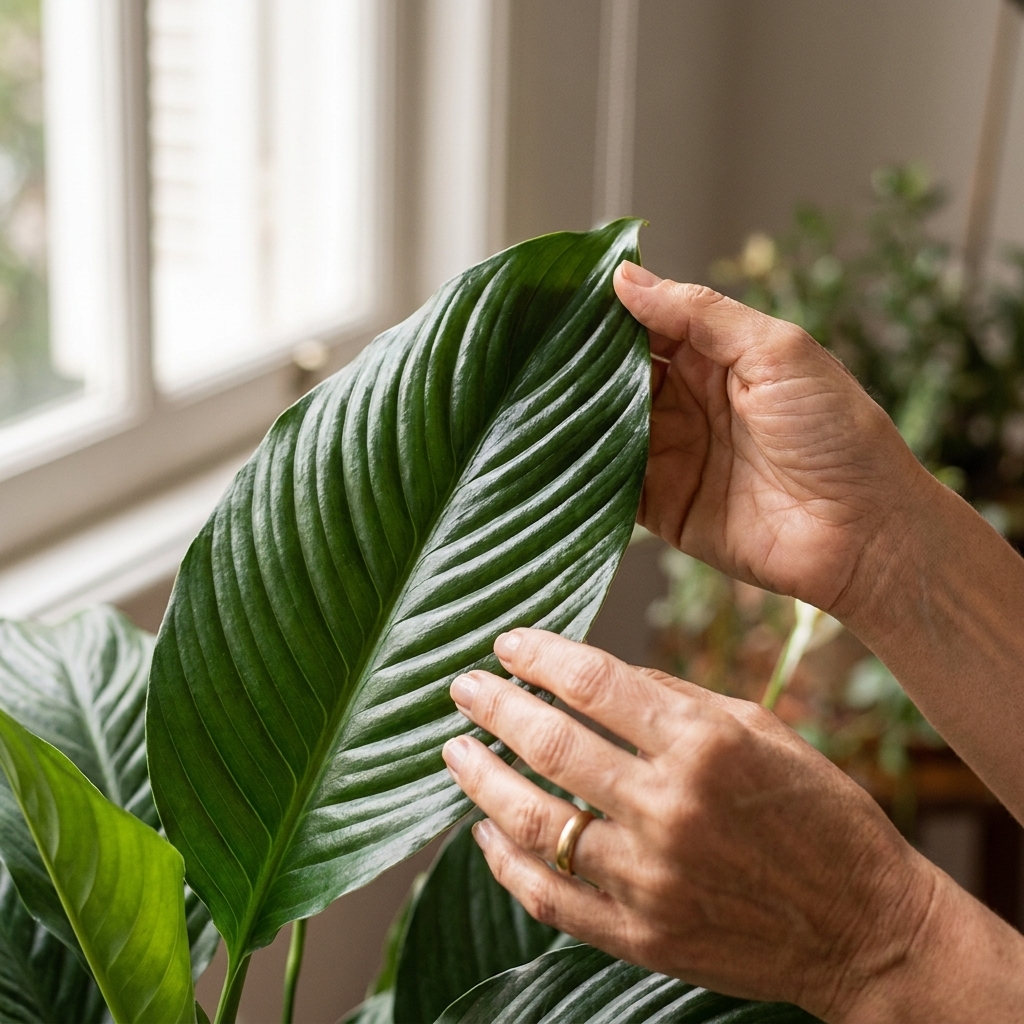
Peace lilies tolerate being slightly rootbound, but eventually they start drying too fast, producing smaller leaves, or pushing roots up like they are trying to escape the pot.
When to repot
- Water runs straight through and the plant wilts quickly after watering.
- Roots circle densely at the bottom or rise above the soil line.
- Growth slows dramatically during the growing season.
How to repot
- Choose a pot 1 to 2 inches wider than the current one, with drainage holes.
- Use fresh, airy mix. Avoid packing it down hard.
- Set the plant at the same soil level as before. Burying the crown invites rot.
- Water in thoroughly and keep in bright indirect light while it recovers.
Dividing
If your peace lily has multiple crowns, you can divide it during repotting. Separate clumps with roots attached and pot each division. Expect a short sulk, then renewed growth.
A quick care checklist
- Light: bright, indirect
- Water: when top 1 to 2 inches are dry, then drain excess
- Soil: well-draining potting mix with extra perlite or bark
- Humidity: moderate to higher if possible
- Fertilizer: light feeding in spring and summer
- Blooms: more light and steady care, not more drama
If the peace lily had a mythic role, it would be the temple attendant at the threshold: quiet, watchful, and unafraid to let you know when you have forgotten what matters. Usually, it is water.
When to worry
Most peace lily issues are fixable, but take faster action if you see these:
- Persistent droop with wet soil: possible root rot. Consider unpotting to inspect roots. Healthy roots are firm and pale. Rotting roots are brown, mushy, and foul-smelling.
- Rapid yellowing across many leaves: check for cold damage, saturated soil, and drainage failures.
- Soft, collapsing stems at the base: crown rot can progress quickly. Remove affected tissue, repot into fresh mix, and reduce watering.