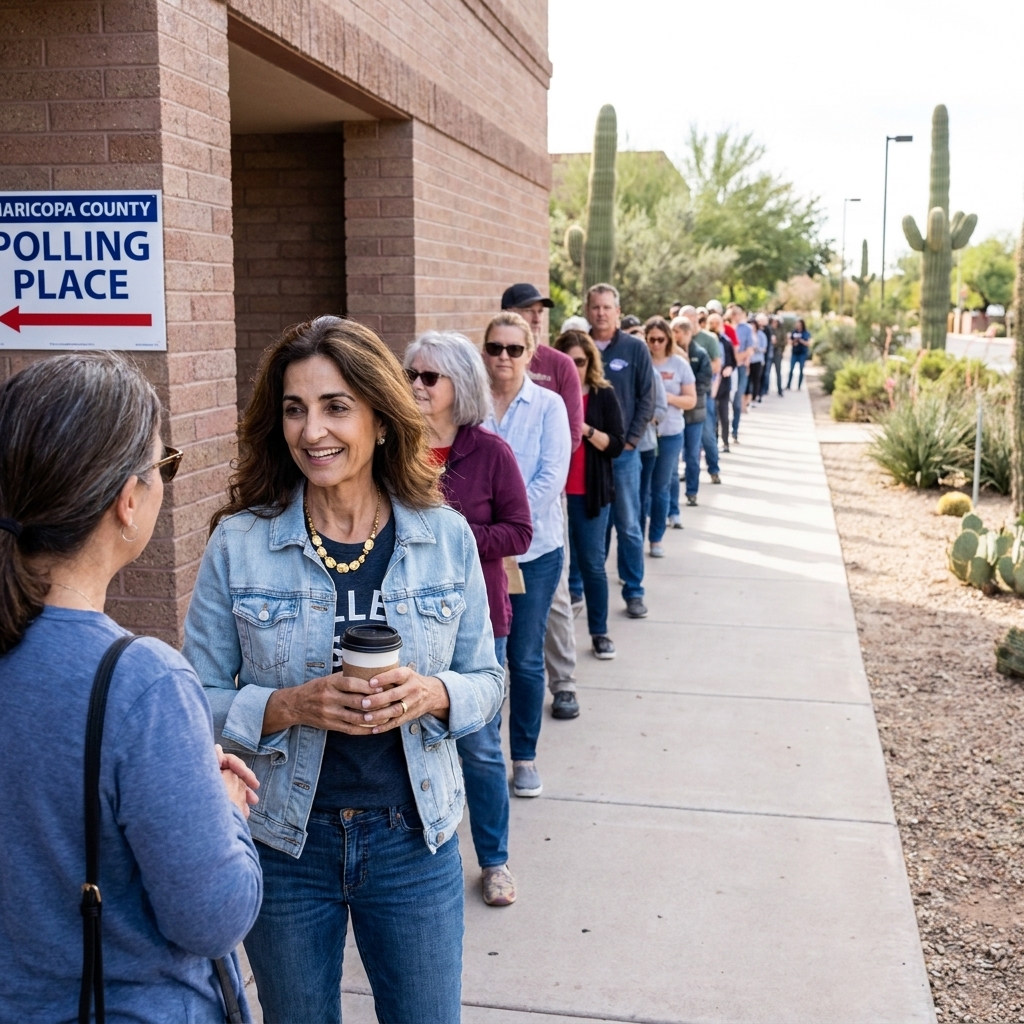
How Midterm Elections Work
Greek Mythology
Midterm elections sound like the quiet chapter between presidential dramas. They are not. They are the moment the country turns its head and, sometimes, decides to rewrite the plot while the main character is still on stage.
Every two years, the United States holds federal congressional elections. When that federal election happens in a non-presidential year, it is called a midterm. It arrives once every four years, halfway through a president’s four-year term. And while it lacks the glossy inevitability of a presidential showdown, it often decides what the next two years of governing will look like, whether legislation lives or dies, and which political forces get to walk into the next cycle with momentum.

What midterm elections are
Federal elections happen every two years, in even-numbered years. Midterm elections are the federal elections held in the even-numbered years when the presidency is not on the ballot. In other words: midterms happen once every four years, in the middle of a president’s four-year term.
They matter because the US Constitution sets fixed terms for members of Congress, and those terms do not pause just because the presidency is not on the ballot.
- Federal elections occur in even-numbered years, on the Tuesday after the first Monday in November.
- Midterms are the even-numbered years when the presidency is not on the ballot.
- They coincide with many state and local elections, which can be just as consequential.
- They can dramatically change who controls Congress, shaping what a president can realistically do.
What is on the ballot
Think of a midterm ballot as a crowded temple courtyard: some offices are always present, others appear only when their cycle comes due, and the state-level contests can be the ones quietly holding the keys.
US House of Representatives
All 435 House seats are up for election every two years. That is because representatives serve two-year terms. The House is designed to be the fast-reacting chamber, more sensitive to shifts in public mood, for better and for worse.
US Senate
About one-third of the Senate is up in any given two-year cycle because senators serve six-year terms, staggered so the entire chamber is never elected at once.
In a midterm year, the Senate map can be friendly terrain for one party or brutally exposed for the other, depending on which “class” of Senate seats is up.
Governors and state officials
Many states elect governors in midterm years, though the exact schedule depends on the state. Some states hold off-year gubernatorial elections. States also often elect attorneys general, secretaries of state, treasurers, and other officials who influence everything from election administration to enforcement priorities.
State legislatures, judges, and local offices
Thousands of state legislative seats and local offices can be on the ballot. Some states also elect judges, depending on the state’s judicial selection system.
These races may feel less famous, but they can shape:
- State budgets and tax policy
- Education and public health policy
- Election laws and district maps
- Ballot access and voting rules
Who gets to vote
Eligibility rules are set by states within federal constitutional boundaries, but the basic pattern is consistent: US citizens who meet age and residency requirements and who are properly registered, if their state requires registration.
Key points that often surprise people:
- You can vote in midterms even if you did not vote for president. Midterms are their own election.
- Registration deadlines vary by state. Some states allow same-day registration, others do not.
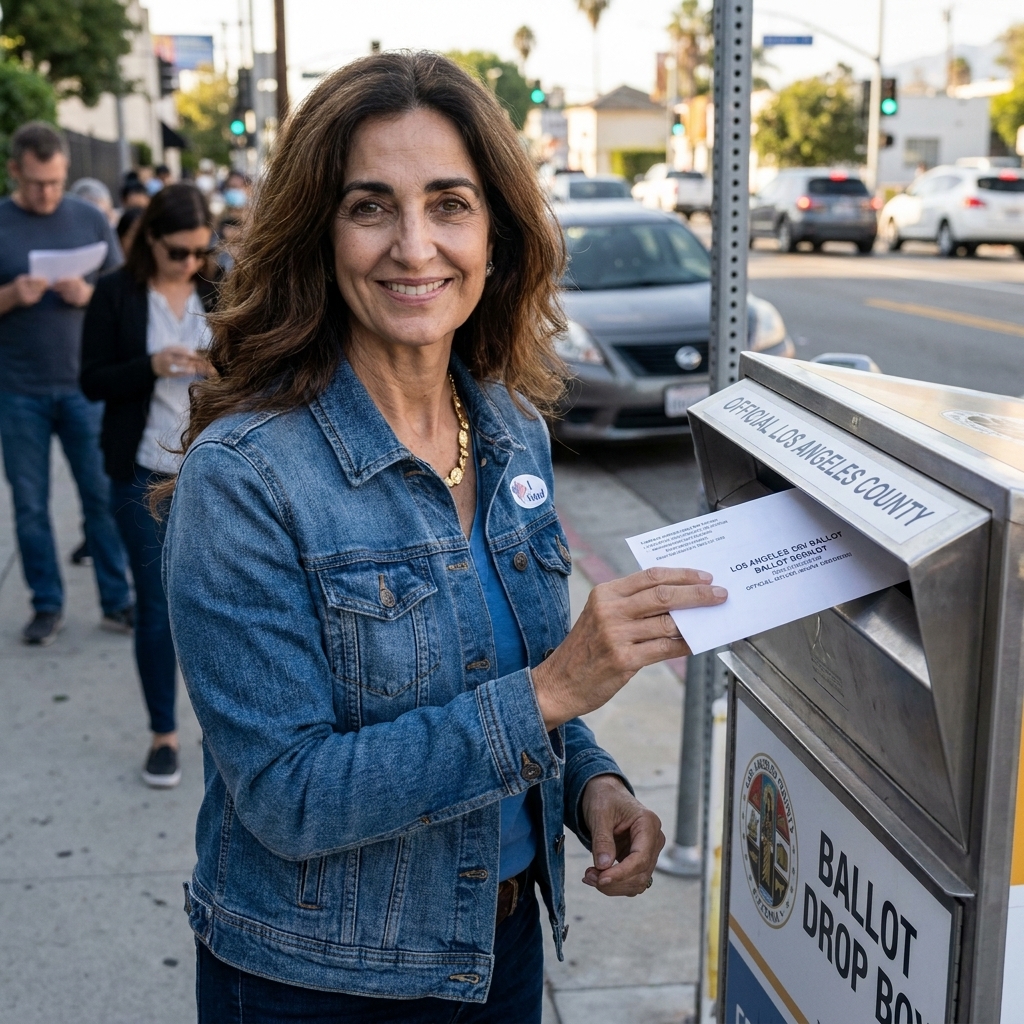
- Voting methods vary. Depending on your state, you may vote on Election Day, vote early in person, or vote by mail.
Primaries vs. midterms
One common confusion: midterm describes the election year and the general election. Primaries are the party nomination contests that happen before the general election, and they can occur in both presidential and midterm cycles. In a midterm year, you may vote in a primary, a general election, or both, depending on your state’s calendar.
How power can shift fast
Midterms are famous for their ability to flip control, especially in the House. That is built into the math: every seat is up, and a few percentage points of national swing can move many close districts at once.
Congressional control
If one party wins a majority of House seats, it controls the House. The same is true for the Senate, though ties are a special case. The vice president can cast tie-breaking votes on the Senate floor, and a 50–50 Senate is typically organized through a majority arrangement or a negotiated power-sharing agreement that determines committee ratios and procedural control.
Control matters because it determines:
- Which party chooses committee chairs
- What bills get hearings and floor votes
- Whether the House will investigate the executive branch aggressively or protect it
- Whether confirmations and budgets move smoothly or turn into trench warfare
The president’s agenda
In a midterm, voters are not choosing the president, but they are choosing the president’s political weather. A president with a friendly Congress can govern; a president facing an opposition House or Senate often negotiates, compromises, or stalemates. Sometimes all three, depending on the month.
Why turnout is lower
Midterms typically have lower turnout than presidential elections. That is not a moral judgment, it is a historical pattern. Fewer voters show up, which means the electorate can look different from a presidential year electorate.
Lower turnout can amplify the influence of:
- Highly motivated party loyalists
- Older voters, who often vote at higher rates
- Local issues and local organizing
- Hot-button topics that energize specific groups
This is why midterms can feel like a referendum on the party in power. Not because every voter is voting “for” or “against” the president, but because the most motivated voters often arrive with a message in their teeth.
What “referendum” means
Commentators love to say midterms are a referendum on the sitting president. Sometimes they are. Sometimes they are a referendum on inflation, war, a Supreme Court decision, a scandal, a state-level fight that went national, or the general vibe of the era.
In practice, midterms are shaped by a mix of forces:
- National conditions like the economy and major events
- Candidate quality and campaign strength in individual districts and states
- District maps and how competitive seats are
- Turnout dynamics and which groups are most energized
Myth has its own version of this. Mortals blamed Zeus for storms even when Poseidon was the one throwing a tantrum. Politics works the same way. People vote on what they feel in their daily life, even when the cause is complicated.
How maps shape midterms
House races are run in districts, and district lines matter. After each census, states redraw congressional districts to reflect population changes. This process is called redistricting.
Because map drawing can advantage one party, you will often hear about gerrymandering, which is the practice of drawing districts to produce a preferred political outcome.
Why it matters for midterms:
- Some districts are designed to be safe, meaning the outcome is fairly predictable.
- Others are competitive and can swing based on national mood or local issues.
- The balance of safe and competitive seats affects how big a “wave” needs to be to shift House control.

What happens after Election Day
Election night is the dramatic montage, but not always the ending.
Counting and certification
States count ballots according to their laws. Some results are clear quickly; others take longer because of mail ballots, close margins, or required checks. After counting, states move through canvassing and certification processes.
Recounts and audits
If a race is extremely close, state law may require an automatic recount, or campaigns can request one under certain conditions. Post-election audits vary by state and are meant to verify that tabulation systems and procedures performed correctly.
The new Congress
Winners take office on January 3. A newly elected House and Senate organize by choosing leaders, assigning committee roles, and setting priorities. If control changes hands, the shift can be immediate in its impact on investigations, hearings, and legislative strategy.
Beyond Congress: local stakes
Midterm ballots often include ballot measures on state constitutional amendments, taxes, bonds, and policy questions. Cities and counties may vote on school levies, public transportation funding, housing measures, and policing oversight.
If federal politics is Olympus, local politics is the shoreline where you actually live. It is where roads are repaired, schools are funded, and zoning laws decide whether your neighborhood becomes a dense, walkable dream or remains frozen in time.
Common questions
Are midterms only for Congress?
No. Midterms always include federal House races and some Senate races, but many state and local races happen at the same time.
Do midterms happen every two years?
Federal elections happen every two years. Midterms are the federal elections that occur every four years, in the even-numbered year that falls halfway through a presidential term.
Can a midterm remove a president?
Not directly. Presidents are not on the ballot in midterms. However, midterms can change Congress, and Congress has powers like oversight, budgeting, and in extreme cases impeachment proceedings. Most midterm impact is political and legislative, not a direct change in who holds the presidency.
Why do people say midterms are important?
Because they can shift control of Congress, influence federal and state policy, and shape the political terrain heading into the next presidential election.
A final way to think about it
Midterms are not the intermission. They are the scene where the chorus steps forward and tells you what the city thinks of its rulers. Sometimes the rulers listen. Sometimes they do what the gods always do and mistake power for immunity.
Either way, midterms decide who holds the pen for the next chapter.