Zeus Myths of Power, Storms, and Justice
Greek Mythology
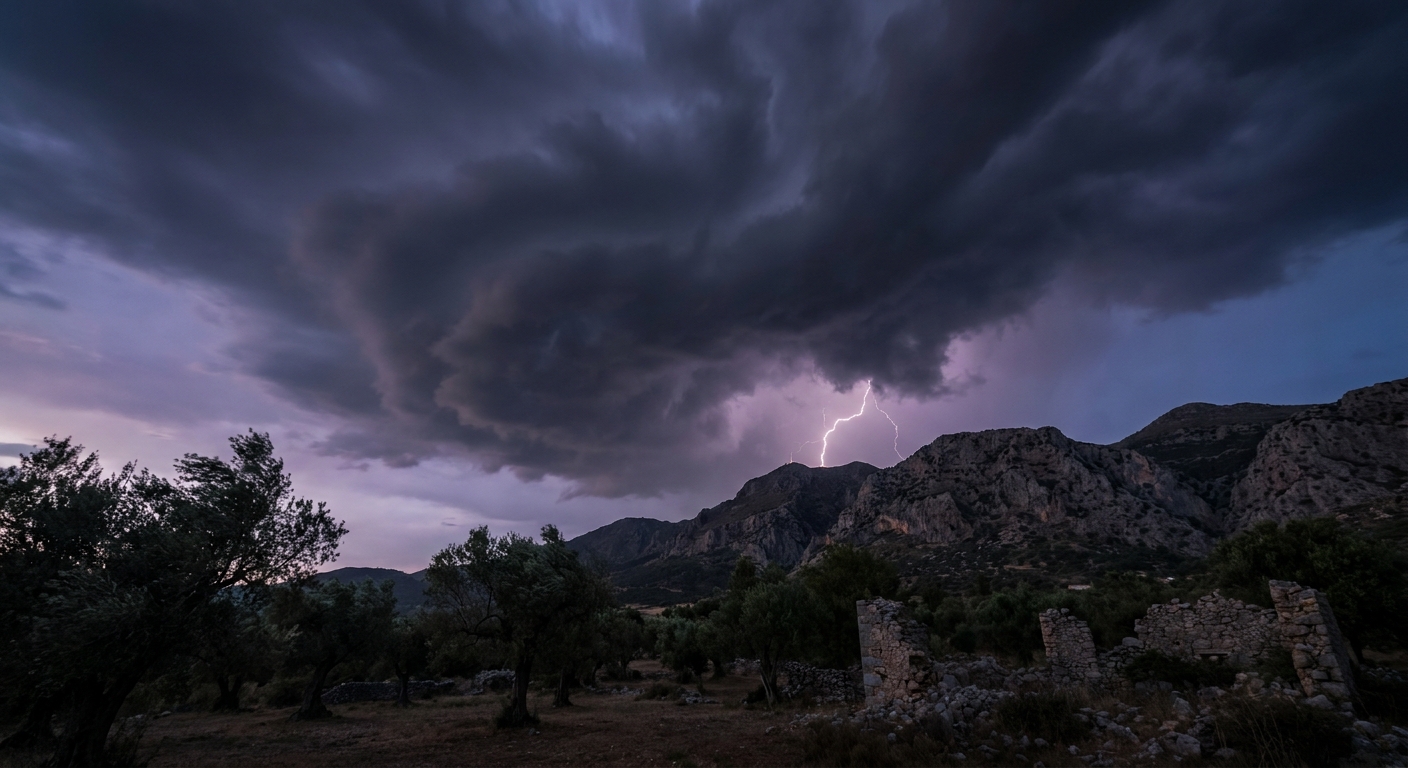
There is a particular kind of silence that arrives right before a storm. The air turns metallic. The trees tense up. Even the birds seem to negotiate their exit routes.
The ancient Greeks looked at that charged hush and saw a personality in it. Not a gentle one. They called him Zeus, and they imagined power the way power often behaves in real life: dazzling, necessary, temperamental, and allergic to being told “no.”
Zeus is not merely a thunder god in the modern, simplified sense. In Greek myth he is the architecture of rulership itself, the hand that signs cosmic law, and the weather that enforces it. These myths do not merely entertain. They explain how authority is made, how storms feel like a message, and why justice can look suspiciously like a lightning strike.

Zeus and his rule
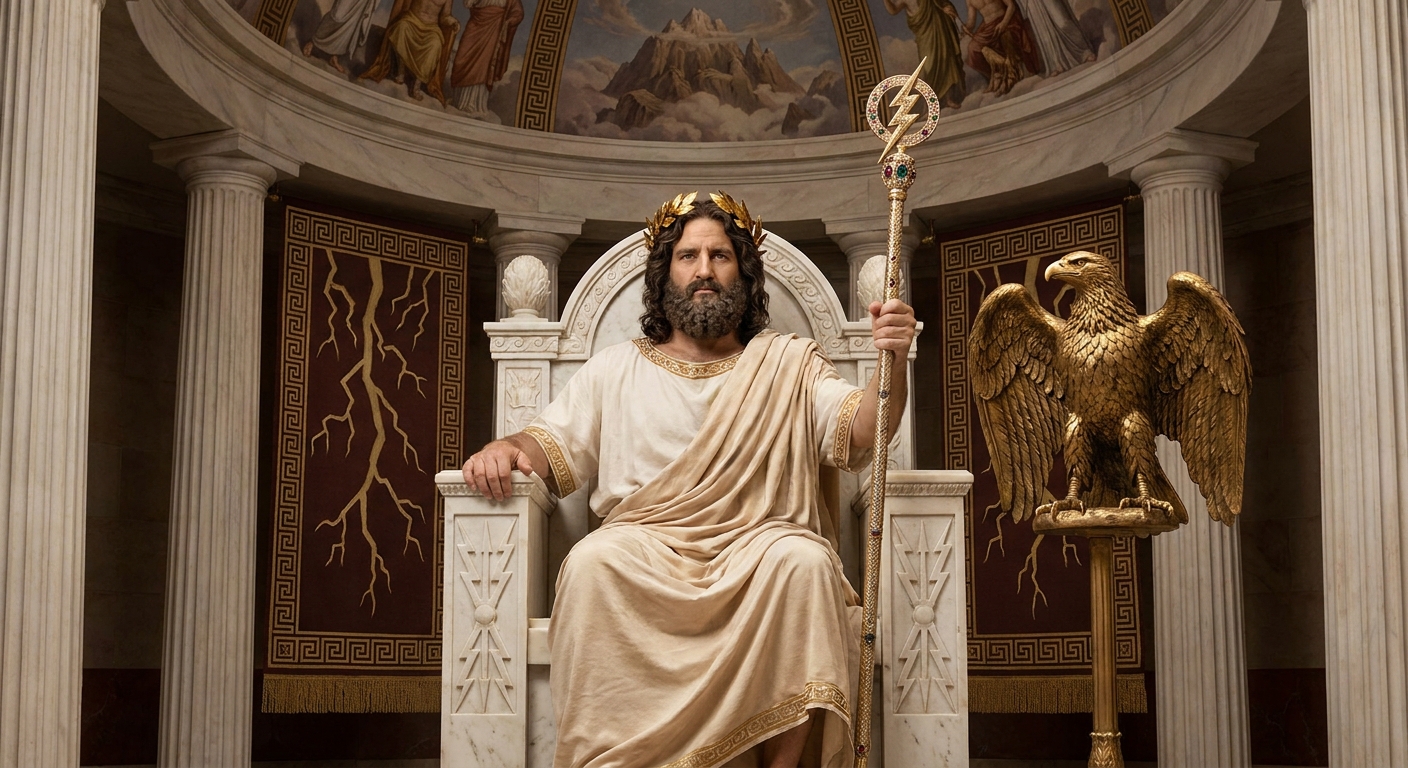
Zeus is commonly introduced as “king of the gods,” but the Greek idea is sharper than a crown and more unsettling than a throne. He is the guarantor of order after chaos, the keeper of oaths , the protector of guests and suppliants, and the wielder of the thunderbolt, which is less a weapon than a divine signature.
Ancient cult titles tell you what people feared and begged for:
- Zeus Xenios, protector of strangers and the laws of hospitality.
- Zeus Horkios, witness of oaths, punisher of perjury.
- Zeus Kataibates, the Descender, Zeus-as-lightning striking down.
- Zeus Soter, savior, the one you thank when disaster passes you by.
If that sounds like politics, weather, and morality braided together, yes. That is the point.
Myth 1: Titanomachy
Every regime tells a story about why it deserves to exist. Zeus begins with a violent one.
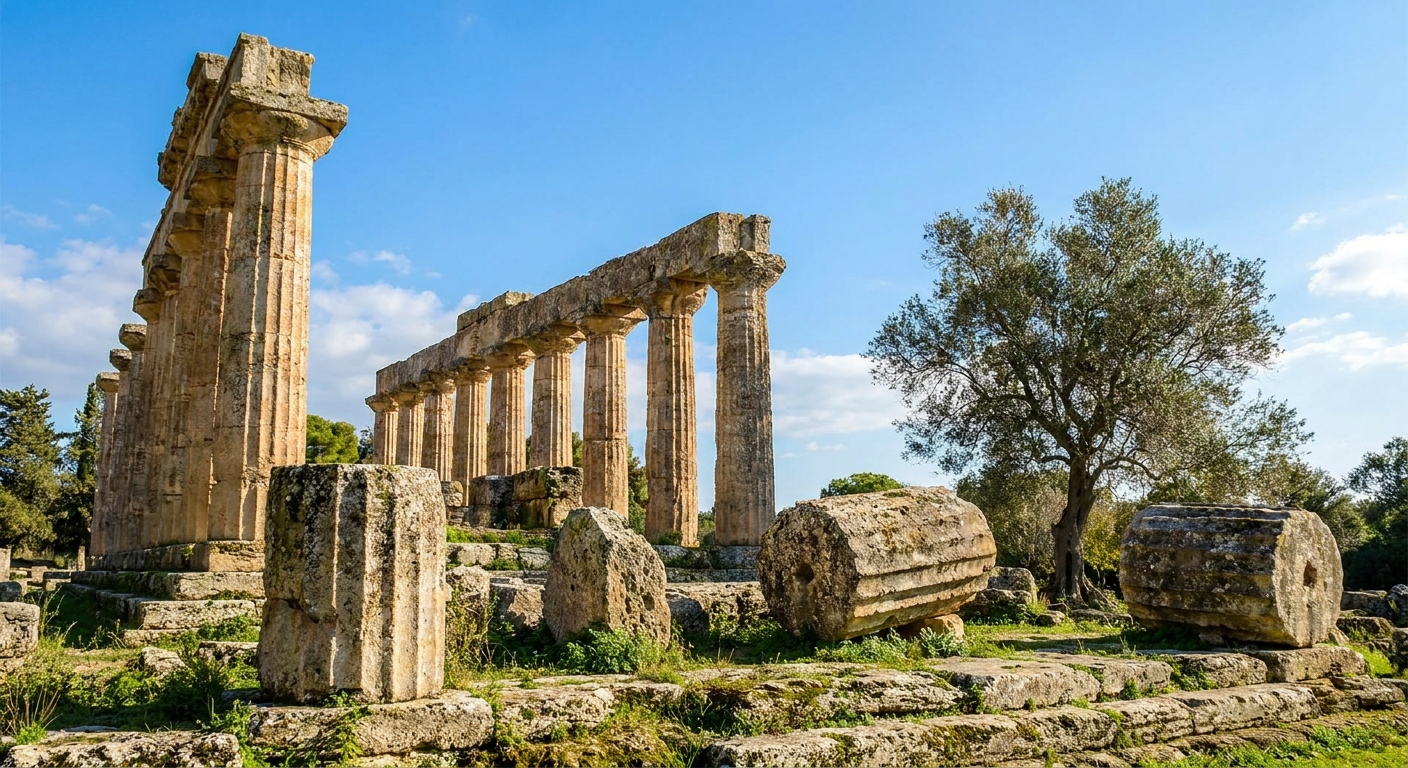
His father, Cronus, swallowed his children to prevent a prophecy that one of them would overthrow him. Zeus survives, grows in secrecy, and returns to force Cronus to disgorge the swallowed gods. Then comes the war that is practically a creation myth for power itself: the Titanomachy, a ten-year conflict between the younger Olympians and the old Titan order, told most famously in Hesiod’s Theogony and refracted in later tradition.
The turning point is not merely strength. It is alliance-building. Zeus frees the Cyclopes, who forge him the thunderbolt, and releases the Hundred-Handers, who become the kind of brute force that ends sieges quickly. Myth makes a cold observation here: a ruler is rarely self-made. He is made by the forces he convinces to fight for him.
What it says about power
- Legitimacy is constructed: prophecy, victory, and cosmic necessity all get drafted into Zeus’ case for rule.
- Power is contractual: Zeus “owes” his throne to allies and to the new order he promises.
- Authority becomes weather: once enthroned, Zeus’ rule is felt as thunder in the sky, the reminder that the cosmos has a boss.
In Greek myth, kingship is not gentle inheritance. It is a storm system that replaces an older storm system.
Myth 2: Typhon
Even after the Titans fall, the universe is not done testing Zeus. Enter Typhon , the monstrous last attempt of primordial chaos to unmake Olympian order. Sources differ on details, but the emotional truth stays the same: Typhon is panic given a body.
In a later, particularly brutal strand (as in Apollodorus), Typhon overpowers Zeus briefly, ripping out his sinews. The king of gods becomes, for a moment, a god without the ability to hold himself together. It is a myth that admits the unthinkable: authority can be wounded.
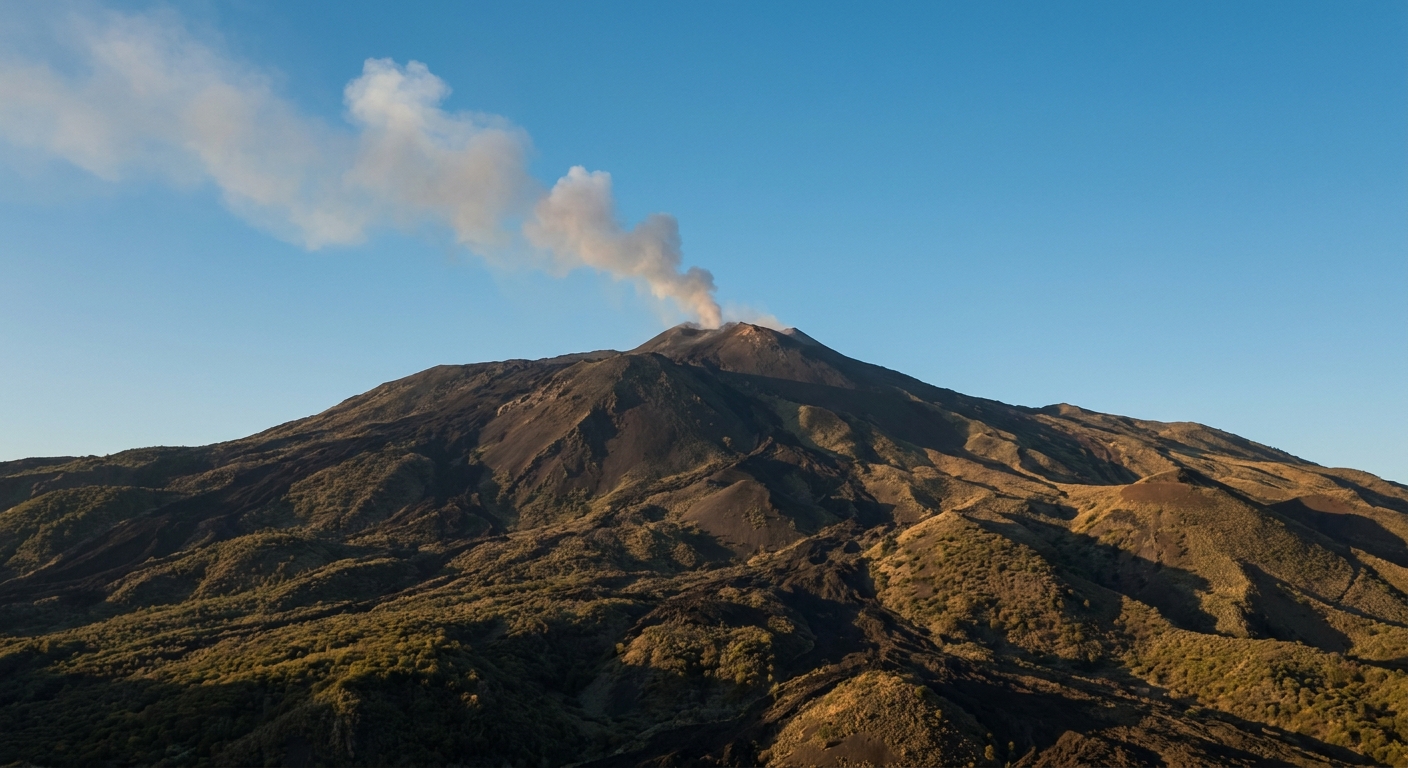
Zeus ultimately wins, sealing Typhon beneath the earth. Volcanic regions and violent winds were sometimes linked to this buried fury. In some tellings, Typhon’s prison is felt under places like Etna, where the ground itself seems to remember what it is holding.
What it says about storms
Thunder is not just noise here. It is containment. It is the sound of a ruler keeping the lid on the world’s worst possibilities.
Myth 3: Prometheus
If Zeus is the law, Prometheus is the clever citizen who reads the law and immediately starts looking for loopholes.
Prometheus, a Titan sympathetic to humanity, tricks Zeus at Mecone during a sacrificial division by presenting bones disguised in rich fat while hiding the good meat for mortals. Zeus, insulted or outplayed depending on the telling, retaliates by withholding fire from humanity. Prometheus steals it back, delivering civilization in a glowing, illegal handful.
Zeus’ response is infamous: Prometheus is chained, and an eagle eats his liver daily. But Zeus is not finished. The punishment spreads outward in a second strike: Pandora, whose jar releases sorrows into the human world.
This is not a neat moral fable. It is a myth about who gets to control technology, comfort, and advancement. Fire becomes a symbol of cultural power. Zeus is not simply angry. He is defending the boundary between gods and mortals, a boundary Prometheus keeps trying to redraw.

What it says about justice
- Justice is often deterrence: Zeus punishes in a way meant to be remembered.
- Justice protects hierarchy: transgressions are not only wrong, they are destabilizing.
- Justice can be collective: the consequences spill into the human condition itself.
Myth 4: Lycaon
Zeus does not only rule from the clouds. Sometimes he walks into a house like a traveler and watches what people do when they think no one important is looking.
In the story of Lycaon , a king of Arcadia, Zeus visits in disguise to test human hospitality. Lycaon responds with the kind of cruelty that makes even Olympians pause: he serves Zeus a meal containing human flesh, aiming to prove the stranger is not divine.
Zeus’ punishment is swift and symbolic. Lycaon is transformed into a wolf, a creature associated with predation and the breakdown of civilized boundaries.
This is Zeus as Zeus Xenios, the god who makes hospitality sacred. The meal table becomes a moral stage. The storm god is suddenly the god of manners, because in Greek thought, how you treat a guest is how you treat civilization.

Myth 5: Asclepius
One of Zeus’ most chilling thunderbolt stories is not about hubris in the abstract. It is about a genuinely admirable skill pushed too far.
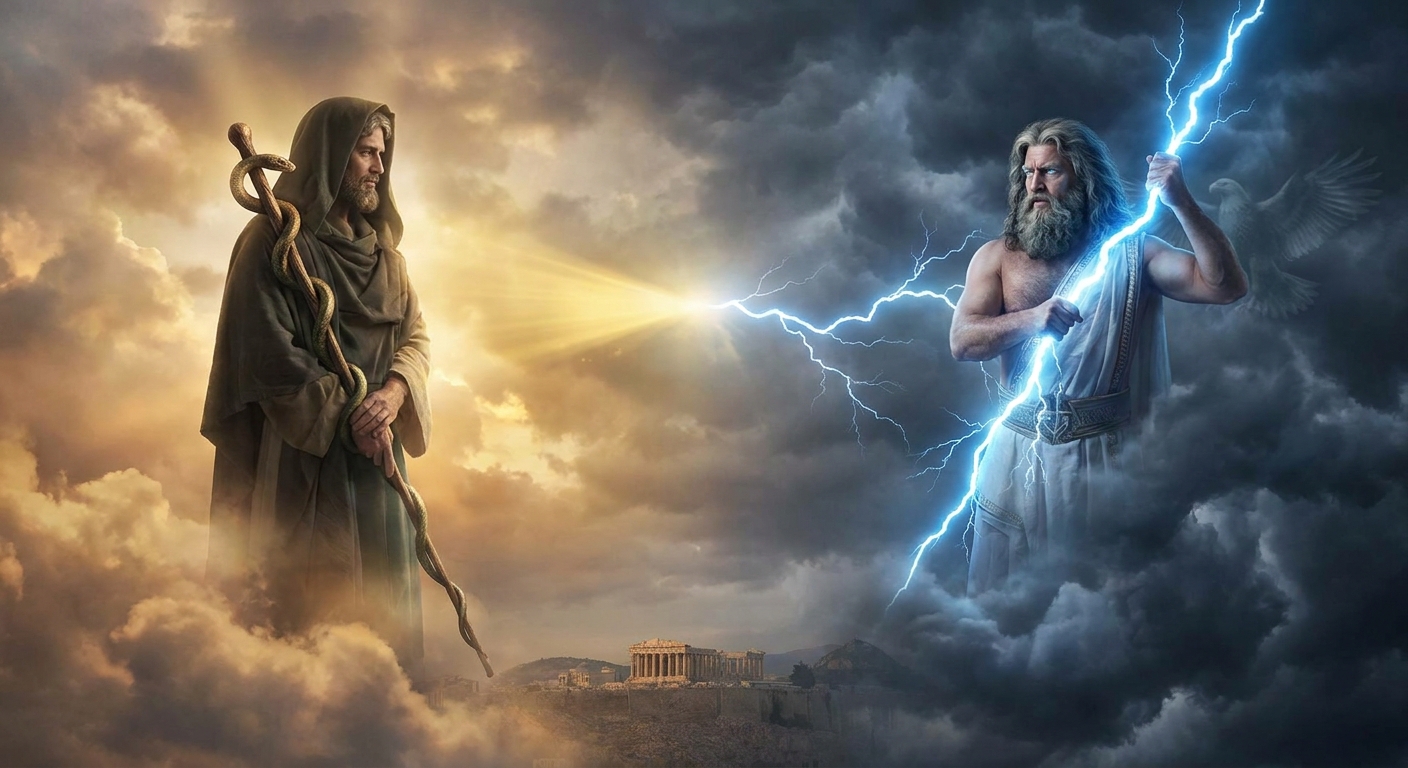
Asclepius , son of Apollo, becomes such a great healer that he begins raising the dead. In some accounts he does this for money, in others out of compassion, but the result is the same: the boundary between life and death starts to blur.
Zeus kills Asclepius with a thunderbolt. Apollo, devastated, retaliates by killing the Cyclopes who forged the bolt. Zeus then punishes Apollo, often by forcing him into mortal service for a time (the details vary by source, but the demotion is the point). Grief ricochets through the divine family like a thrown cup at an Olympian banquet.
The myth reveals something stark. Zeus’ “justice” is not always about virtue. It is about cosmic stability. Death must stay death, or the universe becomes a place where rules mean nothing.
Zeus does not punish because he is always right. He punishes because someone has to keep the doors of the world from swinging off their hinges.
Myth 6: Oaths
If there is a quieter Zeus myth that explains everyday justice, it is the idea of Zeus as the ultimate witness. Oaths in Greek culture were not private promises. They were spoken into the air where the gods could hear them, and Zeus was the one most associated with making lies expensive.
In epic and tragedy, characters fear oath-breaking not because society will punish them, but because the cosmos will. Zeus Horkios stands behind human law like a thunderhead that never fully dissipates.
This is why Zeus can be invoked in contexts that are not dramatic at all: agreements, treaties, guest-friendship, even courtroom proceedings. The mythic imagination insists that justice needs an audience, and preferably an immortal one with a lightning bolt.
Cult and the lived Zeus
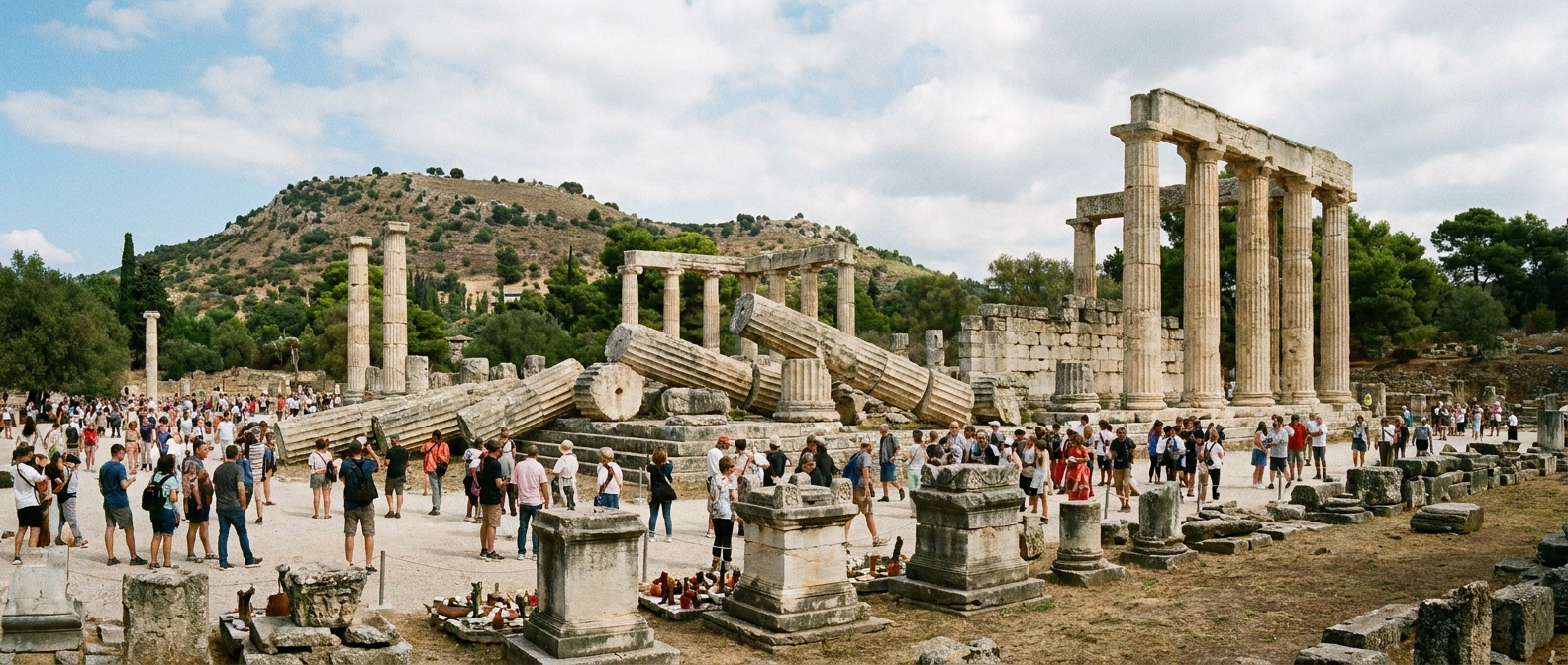
Myth gives Zeus his storms, but cult gives him his address.
At Olympia, Zeus is not an idea. He is a calendar, a sanctuary, and a pan-Hellenic gathering point where the best of Greece competed under his name. At Dodona, he speaks in the oldest voice, not through thunderbolts but through an oracle of oak leaves and bronze, a god whose “signs” could be as quiet as wind through branches. Even when the stories disagree, the practice is steady: Zeus is the sky that watches, the rule that holds, the force that must be negotiated with.
Storms and meaning
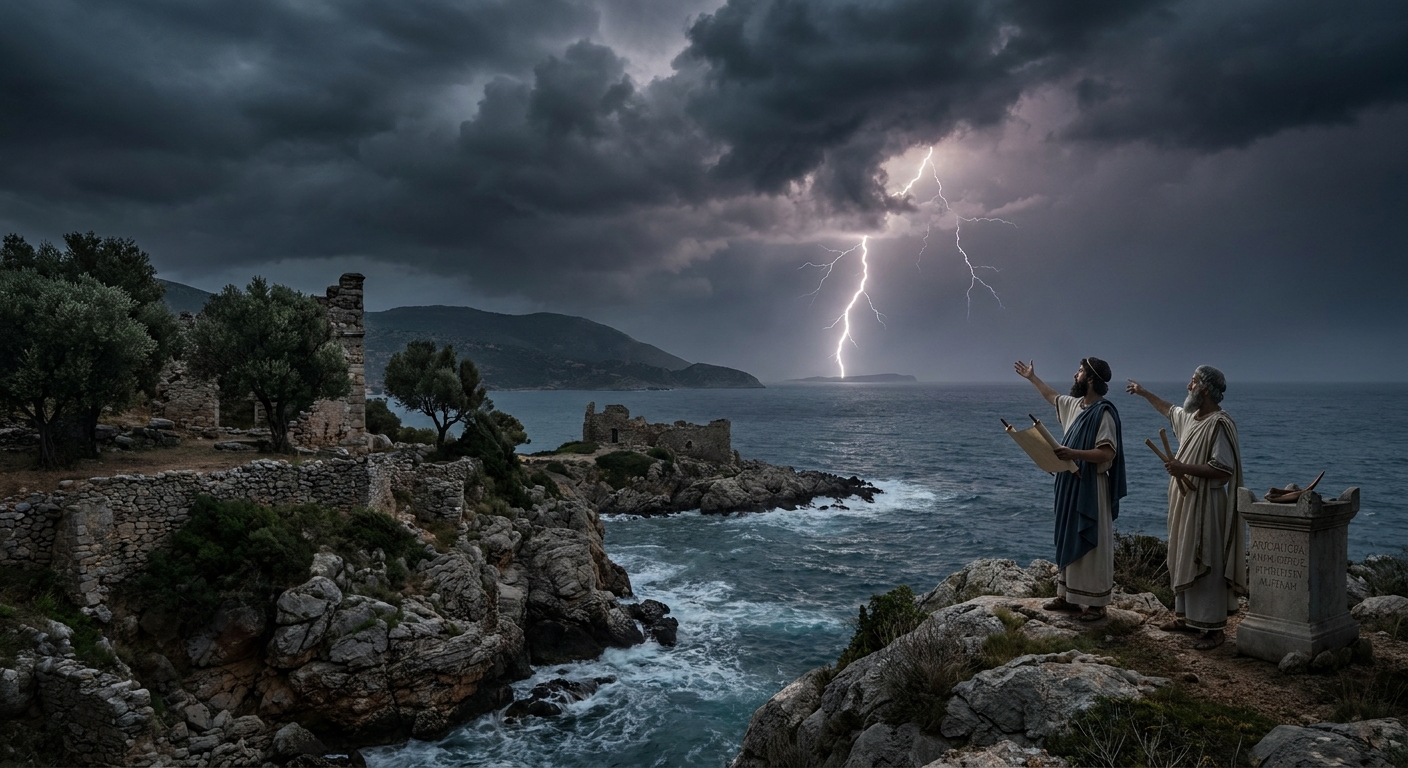
Modern forecasts can make storms feel less like omens and more like schedules, but the Greeks did not have that buffer. When thunder cracked over the sea or lightning struck a ridge, it felt personal.
Zeus myths turn meteorology into meaning:
- Thunder becomes warning, emphasis, or royal mood.
- Lightning becomes judgment, boundary enforcement, or divine intervention.
- Rain becomes fertility and blessing, but also overwhelming force when the balance tips.
Even Zeus’ romances, for all their infamous chaos, often arrive wrapped in weather imagery because he is not merely a character. He is a climate of desire and power, the sky itself behaving badly.
Why Zeus still hits
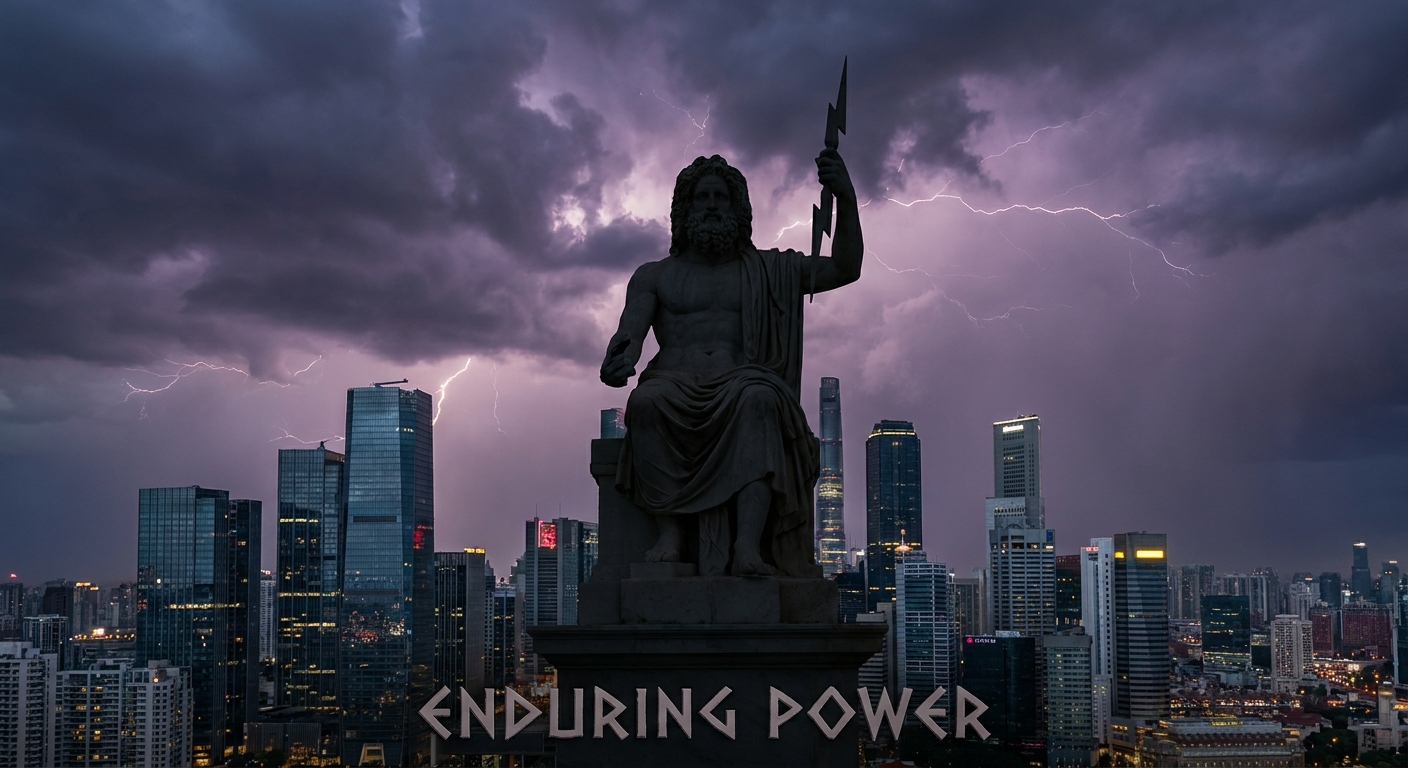
Zeus endures because his myths refuse to be sanitized, and because “Zeus” is never just one Zeus. Homer’s ruler of Olympus, Hesiod’s cosmic organizer, and later mythographers’ enforcer-god do not always share the same temperature. The seams show. That is part of what makes him feel real.
He is the ruler who defeats tyrants and also the ruler who becomes one in the telling. He enforces hospitality and violates boundaries. He protects order and punishes progress when it threatens the architecture of the world.
That contradiction is not a flaw in the mythology. It is one of its oldest truths: power can be glorious and necessary, and it can also be emotionally volatile enough to burn down a city in a single afternoon.
And if you have ever watched storm clouds gather over water and felt, irrationally, that the sky was deciding something, then you understand why the Greeks looked upward and chose a king. Xenios at the table, Horkios in the courtroom, Kataibates in the flash on the ridge.
Quick glossary
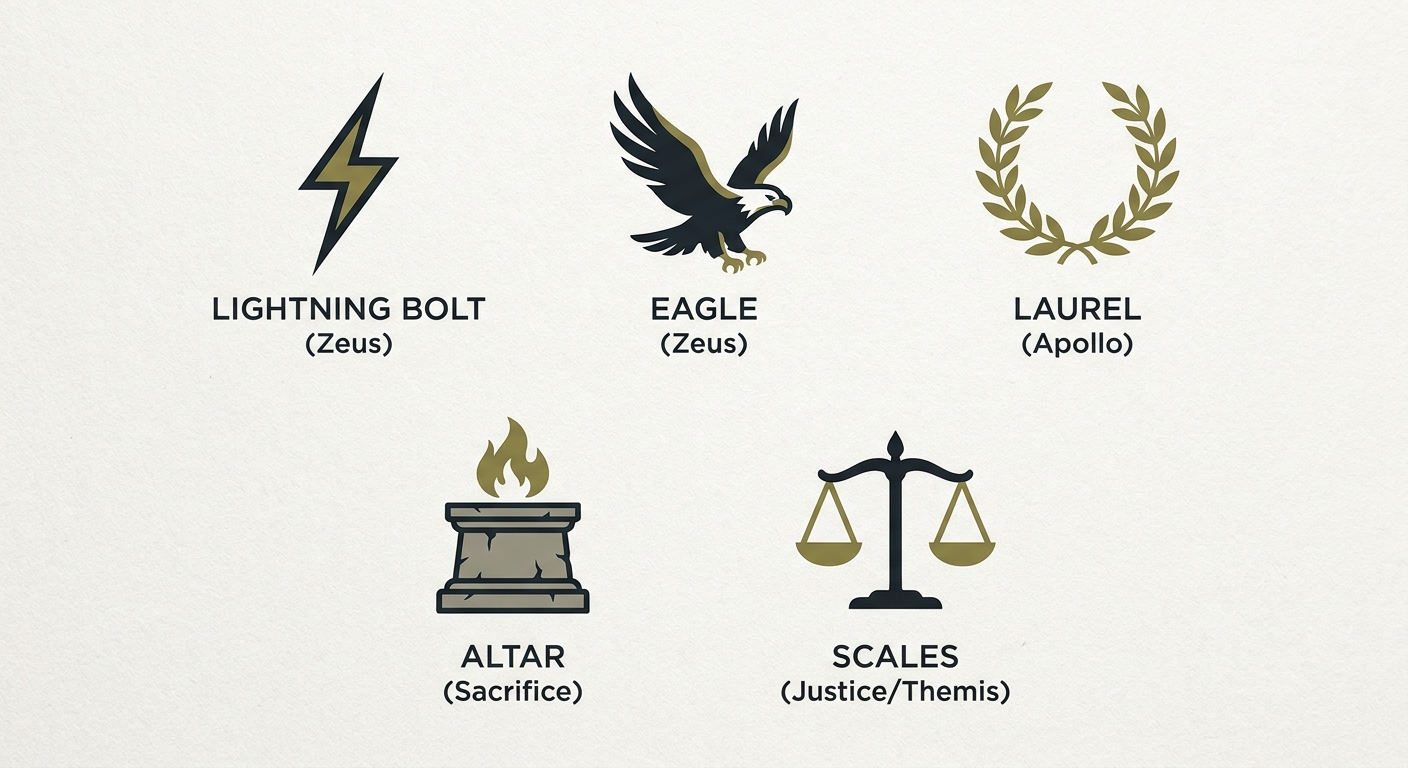
- Titanomachy: the war between Olympians and Titans that establishes Zeus’ rule.
- Typhon: a monstrous force of chaos, often tied to violent winds and volcanic unrest.
- Prometheus: Titan who champions humanity, steals fire, and suffers an eternal punishment.
- Pandora: the figure whose jar (pithos, often later rendered as a box) releases suffering into the human world, with hope remaining.
- Lycaon: king punished by Zeus for violating hospitality through cannibalistic deception.
- Asclepius: healer slain by Zeus for disrupting the boundary between life and death.