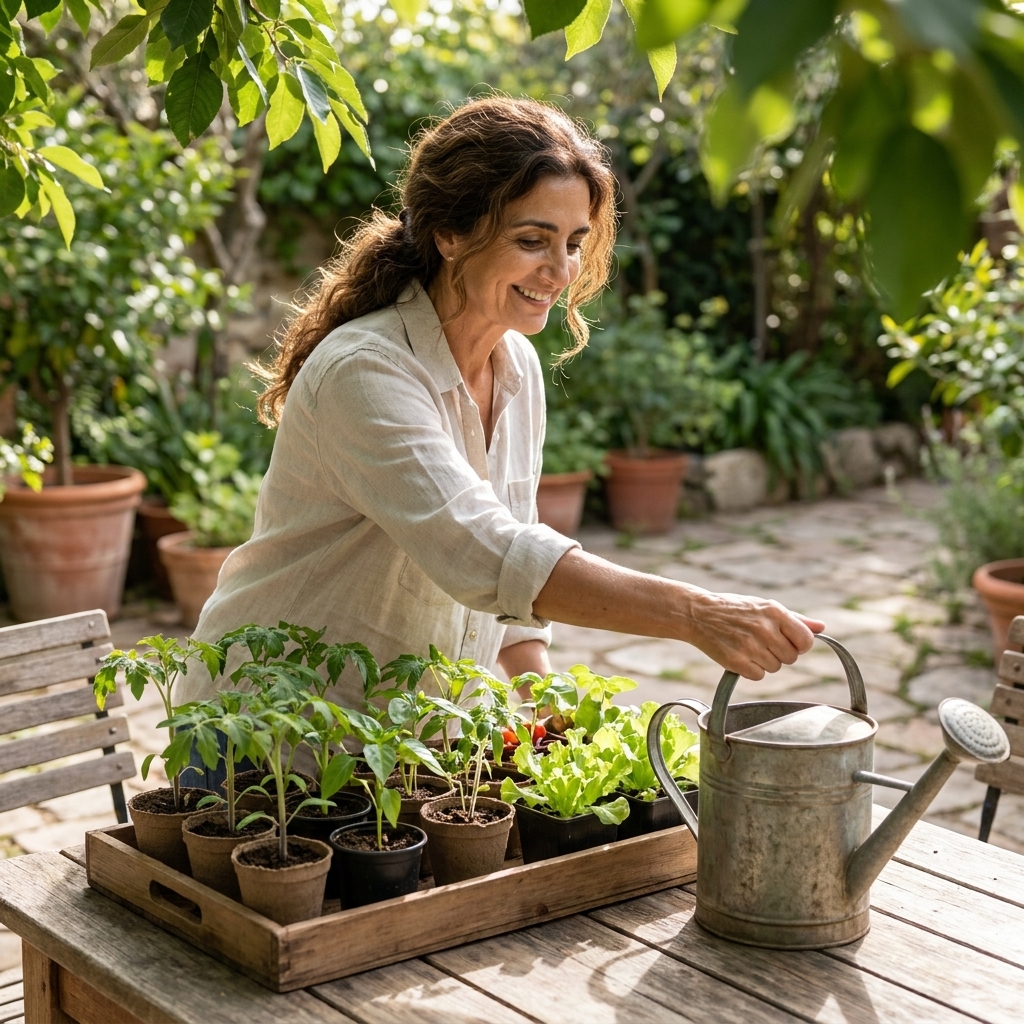
How to Harden Off Seedlings
Greek Mythology
There is a particular kind of heartbreak that belongs to spring. You raise seedlings like tiny, green miracles under gentle indoor light, and then one bright afternoon you set them outside and they collapse as if personally betrayed by the sun.
That is not weakness. That is biology.
Hardening off is the ritual transition from sheltered indoor life to the unruly outdoors, where wind exists, sunlight is unfiltered, and nights still have teeth. Think of it as a controlled introduction to the elements, not a dramatic exile.

What hardening off does
Indoor seedlings grow in a world with stable temperatures, still air, and light that is strong but not the full glare of the sky. Outdoors, plants face:
- Stronger sunlight that can scorch tender leaves (especially because window glass filters some UV, and outdoor light does not)
- Wind that increases water loss and can snap soft stems
- Temperature swings, especially cold nights
- Lower humidity that dries soil faster
Hardening off helps seedlings adjust to sun, wind, and wider temperature swings so they lose less water, resist sunscald, and suffer less transplant shock. In plain terms, it helps them stop acting like houseplants and start behaving like garden plants.
When to start
Start hardening off when your seedlings are:
- Sturdy, with at least 2 to 3 sets of true leaves (not just the first seed leaves)
- Actively growing and not struggling indoors
- Close to transplant time, usually 7 to 14 days before planting out
Check the weather first. Hardening off is not frost protection. If hard frost is still likely, keep seedlings indoors or in truly protected conditions until the forecast settles.
- Warm-season crops want warm nights. As a rule, aim to keep nights above 50°F / 10°C during the process. Tender crops like peppers, eggplant, and basil prefer it warmer still (often 55°F / 13°C+), while tomatoes can sometimes tolerate brief dips into the high 40s once acclimated, but they will slow down and sulk.
- Cool-season crops (lettuce, brassicas like kale and broccoli) tolerate chill better, but sudden cold wind can still stress them.
Simple 7 to 10 day plan
This is the approach I recommend if you want results without turning your spring into a logistics opera.
Two rules that save plants: avoid extremes (heat spikes, cold snaps, very windy days) and if things go sideways, repeat a day instead of pushing through.
Days 1 to 2: Shade and shelter
- Put seedlings outside for 1 to 2 hours in bright shade.
- Choose a spot protected from wind, like near a wall, fence, or dense shrubbery.
- Bring them back inside afterward.
Days 3 to 4: Longer time, gentle sun
- Increase to 3 to 4 hours outdoors.
- Introduce dappled sun or gentle morning sun (avoid harsh midday sun).
- If you like a clear measuring stick, add 30 to 60 minutes of direct sun per day, not a sudden leap.
- Continue bringing them in at night.
Days 5 to 7: Half-day outdoors
- Increase to 5 to 8 hours outdoors.
- Allow more direct sun, especially morning sun.
- Monitor soil moisture closely. Outdoor air can dry pots fast.
- Still bring them in at night unless temperatures are comfortably within the crop’s range.
Days 8 to 10: Full day outdoors
- Seedlings can stay out all day if the forecast is mild.
- Begin exposing them to a bit more wind, but do not set them in a gusty corridor like a narrow side yard.
- If nighttime temperatures are safely within the crop’s comfort zone, you can try one night outside in a protected spot.
Then transplant. Ideally on a calm, overcast day or in late afternoon so they can settle in before the next day’s sun.
Make it easier
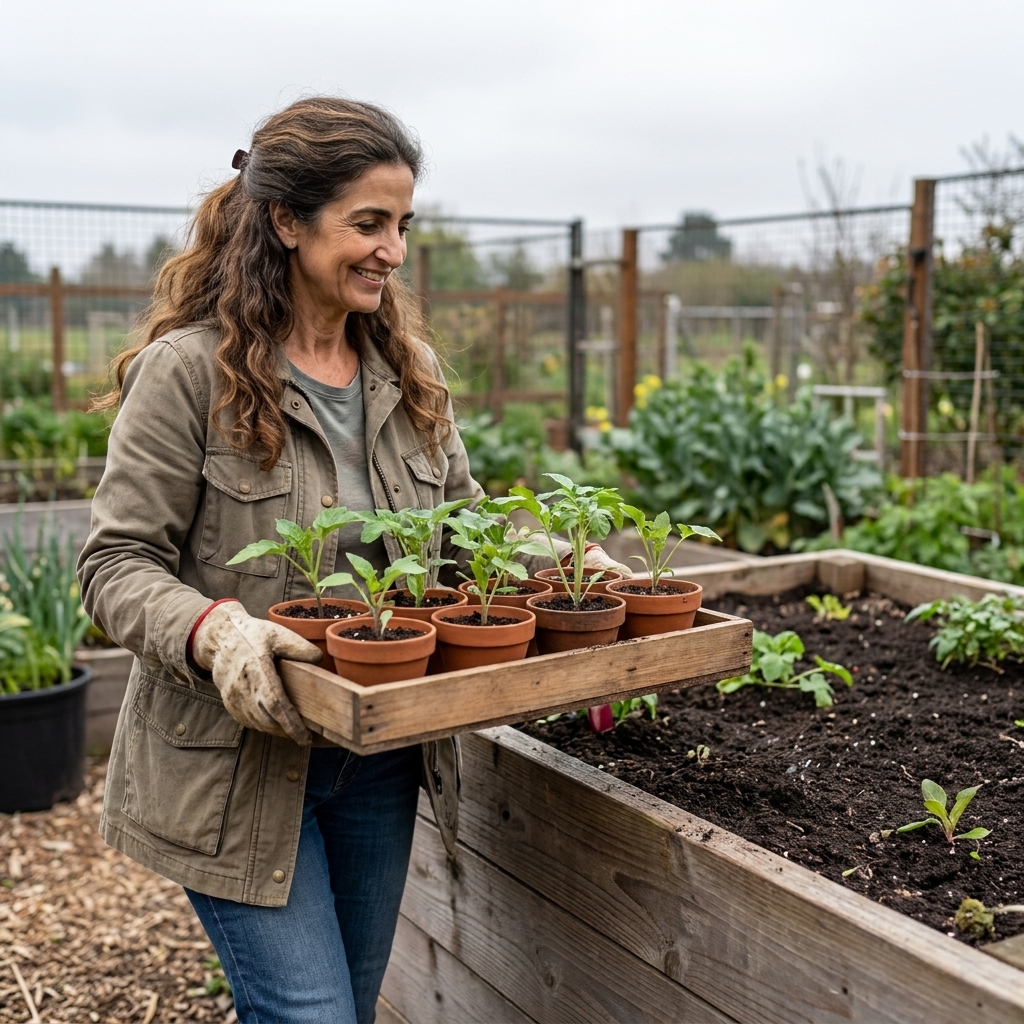
If you are hardening off more than a few plants, the constant back-and-forth can feel like you are running a tiny plant daycare. The goal is to make the transition gentle, and also make it doable for you.
- A rolling cart or tray you can move quickly
- A simple cold frame to buffer wind and temperature swings
- A pop-up canopy or shade cloth for the first few days
- Row cover (lightweight garden fabric) for chilly nights or sudden wind
Even a porch overhang can work as a transitional landing spot, where seedlings can meet the outdoors without being sacrificed to it.
Water and feed
Watering
Outdoor exposure increases evaporation.
- Check pots daily, and on warm or windy days, check twice.
- Water when the top inch of mix is dry, but do not keep seedlings soggy.
- Try to water at the base, not over the leaves, especially in cool weather.
Fertilizer
If seedlings have been indoors for weeks, they may be lightly hungry, but hardening off is not the moment for aggressive feeding.
- If needed, use a half-strength balanced fertilizer once during the process.
- Avoid heavy nitrogen right before transplanting, which can encourage soft growth.
Common mistakes
1) Sun scorch
What it looks like: white or tan patches, crispy leaf edges, sudden drooping after sun exposure.
Fix: move back to shade for 1 to 2 days, keep evenly watered, then reintroduce sun more slowly. Scorched leaves may not recover, but new growth often will.
2) Wind damage
What it looks like: bent stems, plants flopping sideways, torn leaves.
Fix: shelter from wind, shorten exposure time, and consider adding a gentle fan indoors for a few days before hardening off to help stems strengthen. Some gardeners lightly brush seedlings, but it is easy to overdo and damage tender plants, so the fan method is usually safer and more consistent. Outdoors, a cold frame or row cover can cut wind stress dramatically.
3) Cold shock
What it looks like: purple-tinged leaves (common in tomatoes), stalled growth, limp tissue after a cold night.
Note: purple leaves can also be genetics or nutrient stress (often phosphorus related), so use the timing and the forecast as your clue.
Fix: bring plants into warmer conditions, pause night exposure, and wait for a better forecast. Warm-season crops especially want stable warmth to thrive.
4) Letting pots dry out
What it looks like: sudden wilting, leaf drop, brittle stems, soil pulling away from pot edges.
Fix: water thoroughly until it runs from the bottom, then keep seedlings in shade while they recover.
Crop notes
Different plants have different temperaments, and spring will test each of them.
- Tomatoes: Harden off carefully and do not rush cold nights. They can tolerate a brief chill once acclimated, but they do not grow well in it.
- Peppers and eggplant: More sensitive than tomatoes. Keep them warm and sheltered, especially at night.
- Brassicas (kale, broccoli, cabbage): Generally tolerant, but still benefit from wind buffering.
- Lettuce: Easygoing, but can bolt faster if stressed by heat. Favor morning sun.
- Cucumbers, squash, melons: Hate cold. Delay outdoor nights until it is truly warm.
- Herbs: Basil is tender like a secret. Harden slowly and keep it warm. Parsley and cilantro tolerate cool weather better.
Transplant day
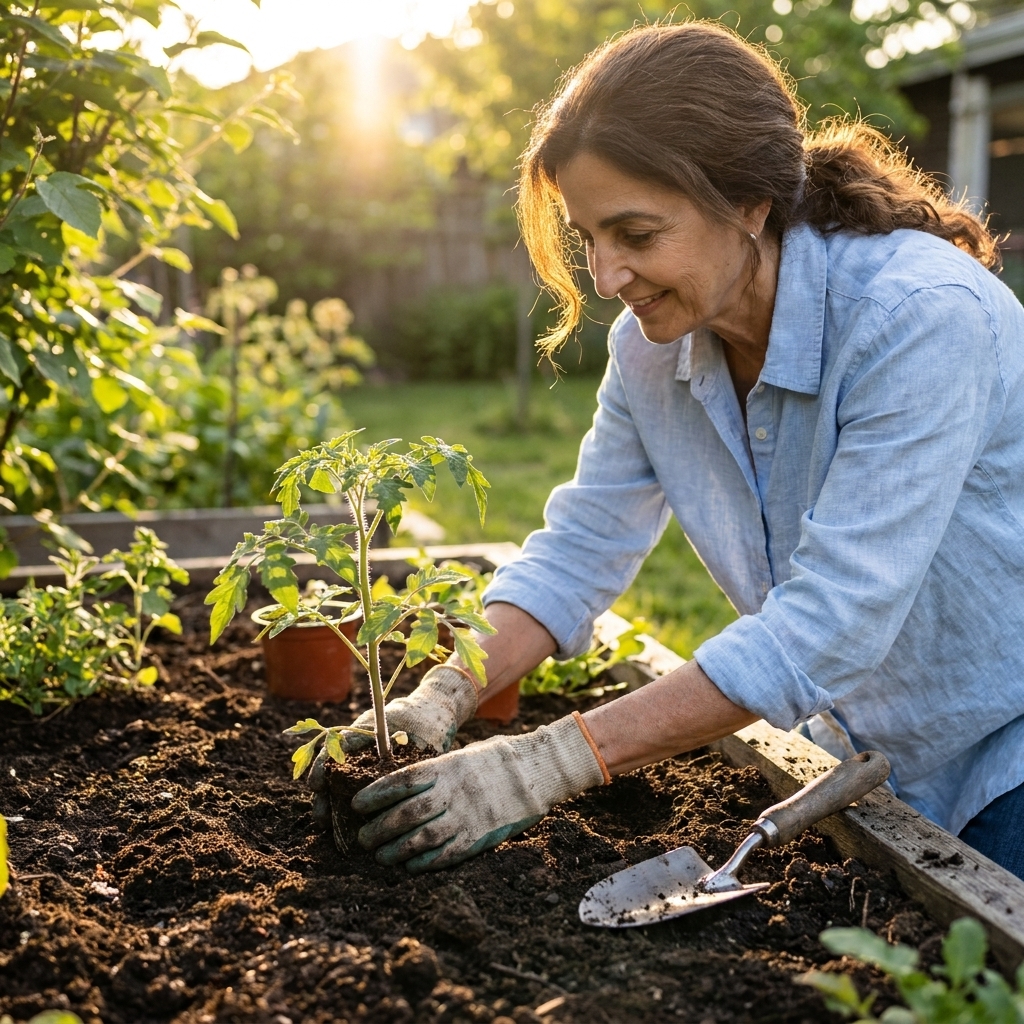
Hardening off is only half the story. Transplant shock happens when roots, sun, wind, and soil moisture all change at once.
- Transplant in late afternoon or on an overcast day.
- Water seedlings well an hour or two before planting.
- Water the planting hole, set the plant, then water again.
- For the first 2 to 3 days, consider temporary shade or row cover if sun is intense or wind is sharp.
Quick checklist
- Start 7 to 14 days before transplanting
- Begin with bright shade, then gradually add sun and wind
- Avoid extremes and repeat a day if seedlings look stressed
- Keep warm-season crops away from cold nights and all crops away from frost
- Watch moisture closely
- Transplant on a calm, mild day if possible
Seedlings do not need bravery. They need training. The outdoors is beautiful, but it is also dramatic, and drama is best introduced in small doses.